II CONFERENCE ON RESPONSIBLE ARTIFICIAL INTELLIGENCE IN THE MILITARY DOMAIN
DEFENSE - INDUSTRY - UNIVERSITY
Soria, September 22-23, 2026
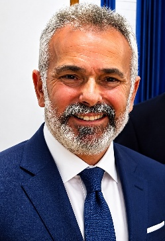
Santiago de Andrés Herrero
Executive Director of Strategy and Business Development at Sainsel Sistemas Navales, a company within the state-owned SEPI Group, held through Navantia and Indra. Its business focuses on onboard consoles and command-and-control systems—precisely the point on a vessel where AI must either be integrated or left out. He holds an MSc in Naval and Ocean Engineering and an MBA, and has more than twenty years of experience in defence programmes, serving in technical and business development roles for combat platforms such as frigates and submarines. He has worked across the full lifecycle of naval programmes for the Spanish, Norwegian and Australian navies, as well as for clients in Latin America and Asia. With a background in classification and certification at ABS and Lloyd's Register, and experience in negotiations with NATO, the UN, IMO and OECD, he has first-hand knowledge of one of the real bottlenecks facing military AI: certification, traceability and customer acceptance. He also served as CEO of the Asian operations of a naval engineering company from Busan, giving him direct insight into how autonomy and digitalisation are being incorporated into naval programmes across Asia.
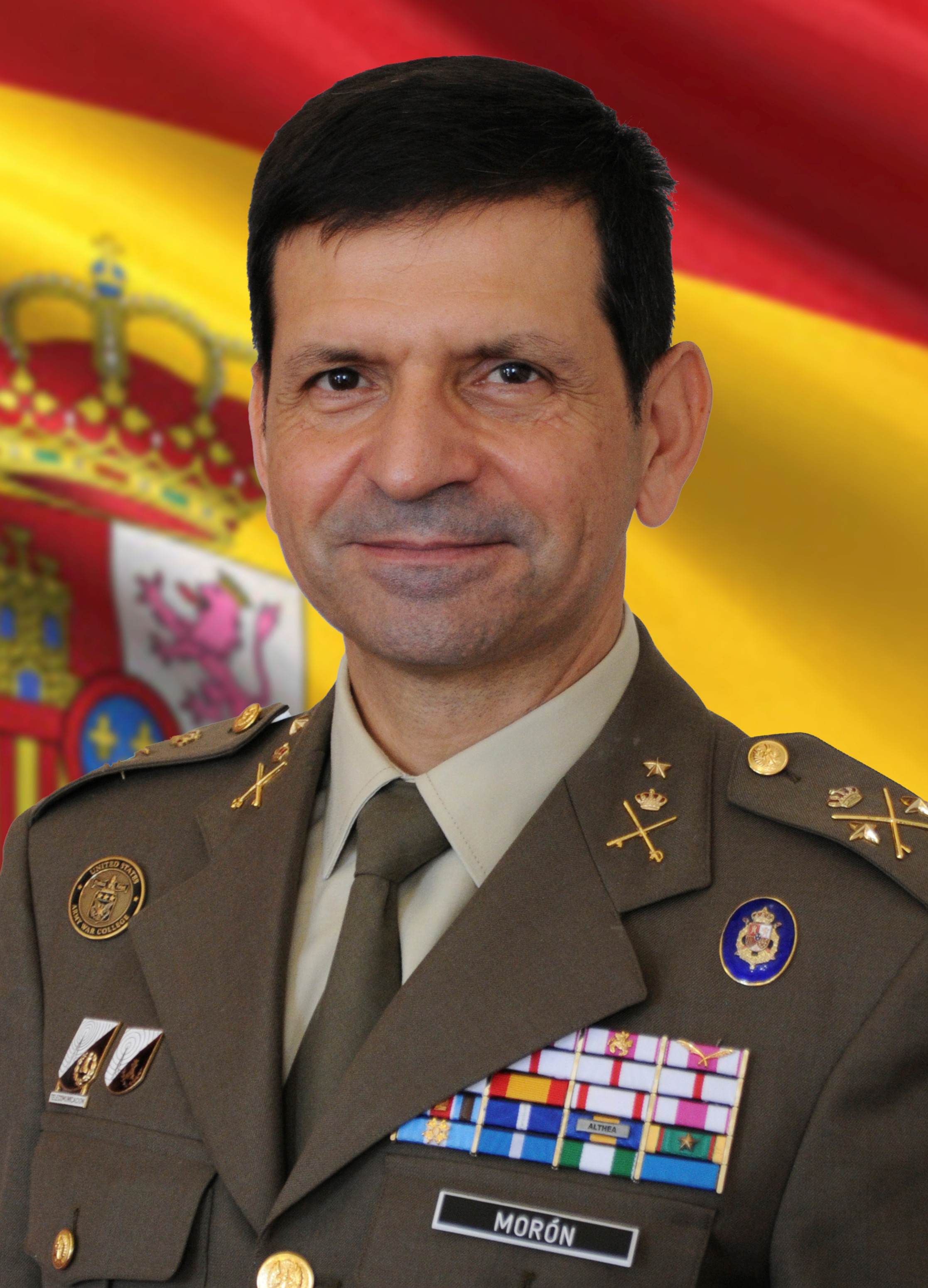
Major General Fernando Luis Morón Ruiz
Directorate of Research, Doctrine, Organisation and Materiel (DIDOM) of the Army Training and Doctrine Command (MADOC) of the Spanish Army. From the Signals branch, his career has been closely linked to ICT, cyber defence and digital transformation, in command, planning and service-provision postings. These include the Chief of Staff's Office, the Joint Cyber Defence Command, the 22nd Signals Regiment, the Army General Staff, and his current role as Director of DIDOM, where he is part of the MADOC-University of Granada AI Reference Centre for the Ministry of Defence. Diploma in General Staff studies and in Advanced Military Telecommunications, in addition to other national and international qualifications related to cybersecurity and ICT. Master's degree in Strategic Studies from the U.S. Army War College and in Management of Information and Communication Systems and Technologies from the Polytechnic University of Madrid.
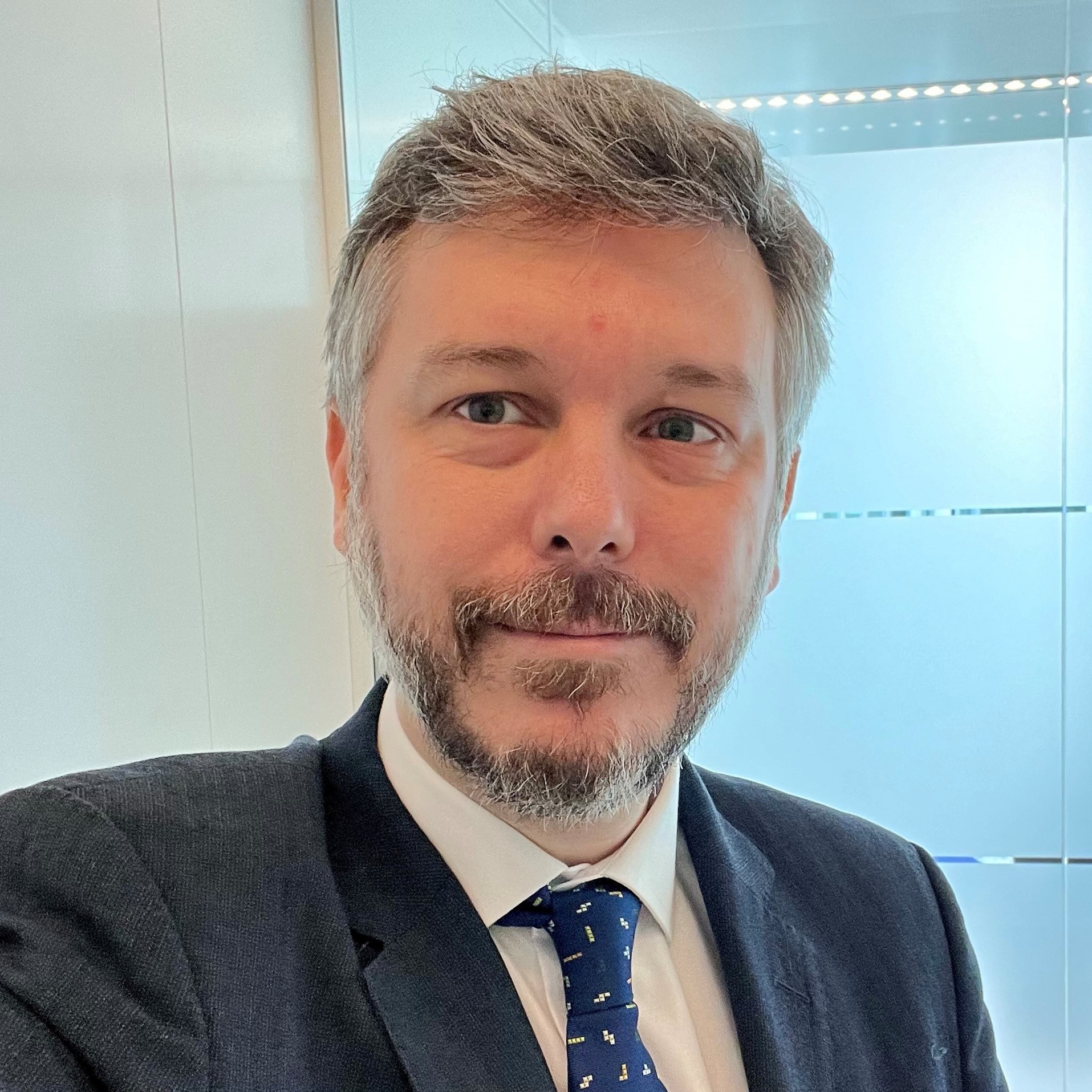
Javier Calvo Martín
Partner and Chief AI Officer at Management Solutions, an international business consulting firm with more than 4,500 professionals and a presence in over 50 countries. He holds a degree in Mathematics and a Maîtrise in Mathematical Engineering from Sorbonne Université (Paris VI), and has built his career in artificial intelligence, risk management and regulation, working on projects for European regulators and supervisors and for large private-sector organisations. He leads the firm's AI strategy and its application in both internal and client projects. His areas of expertise are AI governance and risk control, the European regulatory framework, and the deployment of generative and agentic AI in highly regulated environments. He has delivered training and talks at institutions such as the European Central Bank and the European Banking Authority.
LinkedIn ↗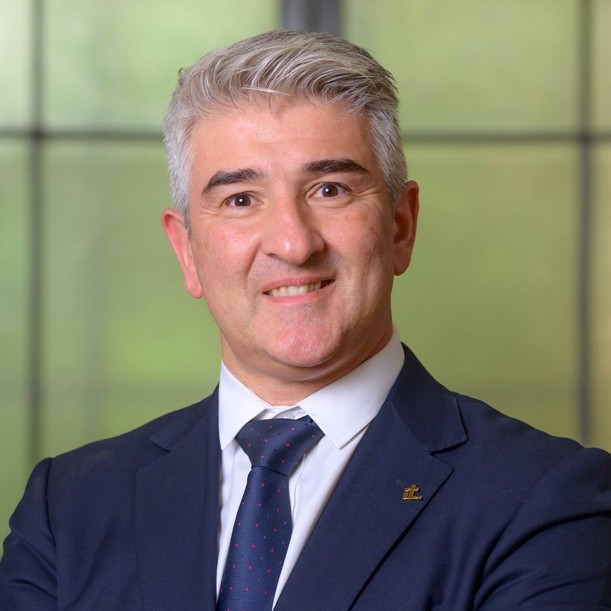
Dr. José Antonio Portilla Figueras
Doctor of Telecommunications Engineering from the University of Cantabria in 2004. He is currently Full Professor of Signal Theory and Communications at the University of Alcalá, where he served as Director of its Higher Polytechnic School between 2016 and 2022. His research focuses on applying artificial intelligence to mobile networks, defence and security, and process optimisation. He is the author of more than 75 articles in prestigious international journals and has supervised 12 doctoral theses. He has worked on more than 60 national and international projects and contracts and has received 12 research and teaching awards. Antonio Portilla is currently Secretary General of the Official Association of Telecommunications Engineers and Coordinator of its Public Policy and Regulation Group. He is also Director of the ISDEFE-UAH Chair in ICT and AI, and was director of the Correos Chair until 2022 and of the Vodafone Foundation Chair until 2013. In the military sphere, he is a Volunteer Reserve Second Lieutenant posted to the EMAD-MCCE.
LinkedIn ↗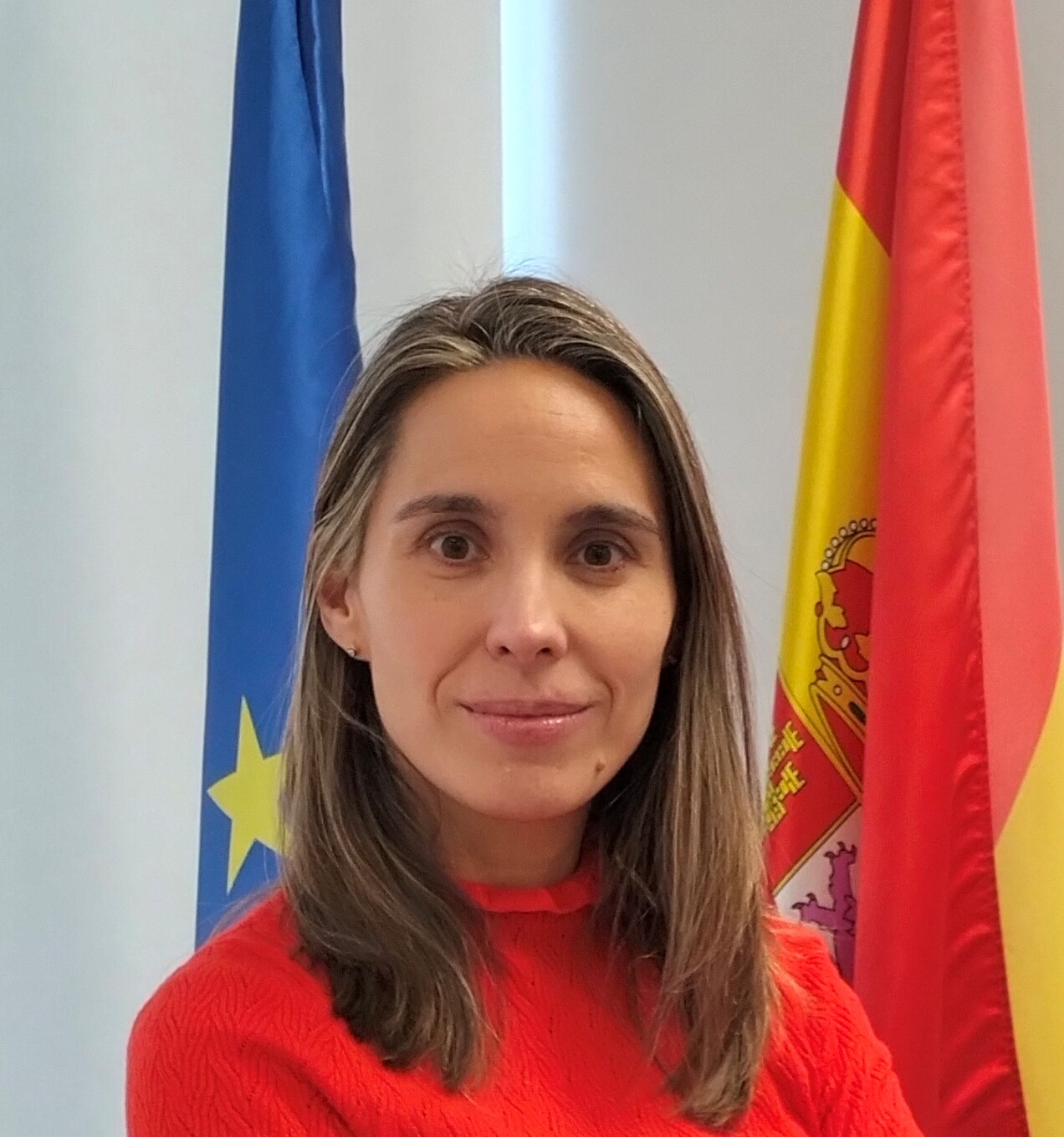
Aleida Alcaide
Director General of Artificial Intelligence at the Ministry for Digital Transformation and Civil Service, she leads Spain's representation before the EU on AI matters and the proposal and implementation of public policies in Spain related to AI and other digital technologies. Her responsibilities cover regulatory development and coordination, the preservation of rights in this field, and the creation of spaces for public debate on the risks and benefits of these technologies. She also manages AI promotion programmes in the field of R&D&I, and promotes AI adoption in productive sectors and Public Administrations. Prior to taking up her current position, she worked in the private sector driving the digitalisation of SMEs and startups. In the public sector, she served as Chief of Staff at the State Secretariat for Digitalisation and Artificial Intelligence, was a member of the Boards of Directors of Red.es, INCIBE, CDTI and AESIA, served as Deputy Director General for the Coordination of European Funds at the Ministry of Economic Affairs and Digital Transformation, and was a lecturer at INAP. Aleida holds a degree in Telecommunications Engineering from the University of Valladolid, completed the Leadership Programme for Public Management at IESE Business School, and is a member of the Senior Corps of Information Systems and Technologies of the General State Administration. She currently also sits on the boards of AEI, SETT and AESIA.
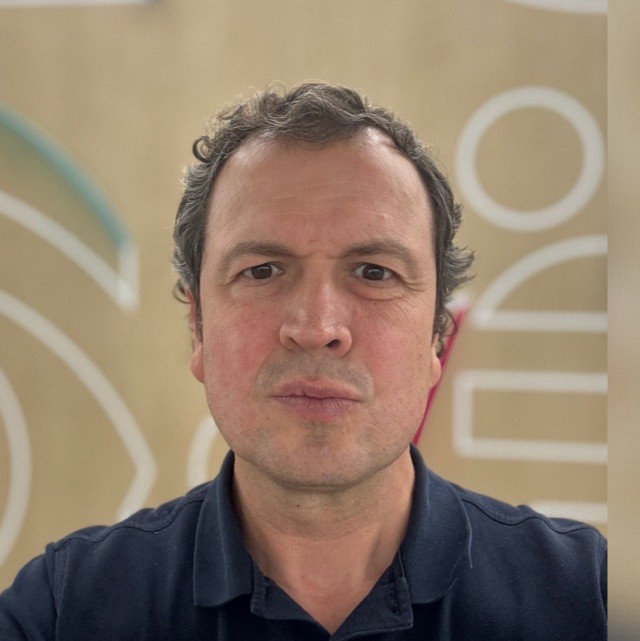
Ricardo Míguez Del Olmo
A seasoned professional with over 25 years of experience in the technology industry, specifically in Artificial Intelligence, Agentic AI, Business Analytics, and Regulatory Technologies. He is currently IBM's Agentic AI and Business Analytics Leader, in Europe, Middle East, and Africa, where he oversees these domains. Ricardo has held various leadership positions within IBM, including roles in Collaboration and Analytics Solutions, Watson/Artificial Intelligence, and Financial Crimes Prevention Solutions. Throughout his career, Ricardo has demonstrated a passion for driving innovation and helping businesses adopt cutting-edge technologies. He has worked closely with IBM's ecosystem to facilitate the adoption of AI, GenAI and Analytics solutions by clients across a wide range of industries and use cases. His expertise in software leadership and management has been instrumental in helping businesses leverage the power of AI and data to drive growth, improve efficiency, and enhance decision-making. Ricardo's professional background and accomplishments are a testament to his dedication to the field of technology. He is a thought leader and a sought-after expert in the industry, and his insights on AI, data analytics, and regulatory technologies are highly valued.
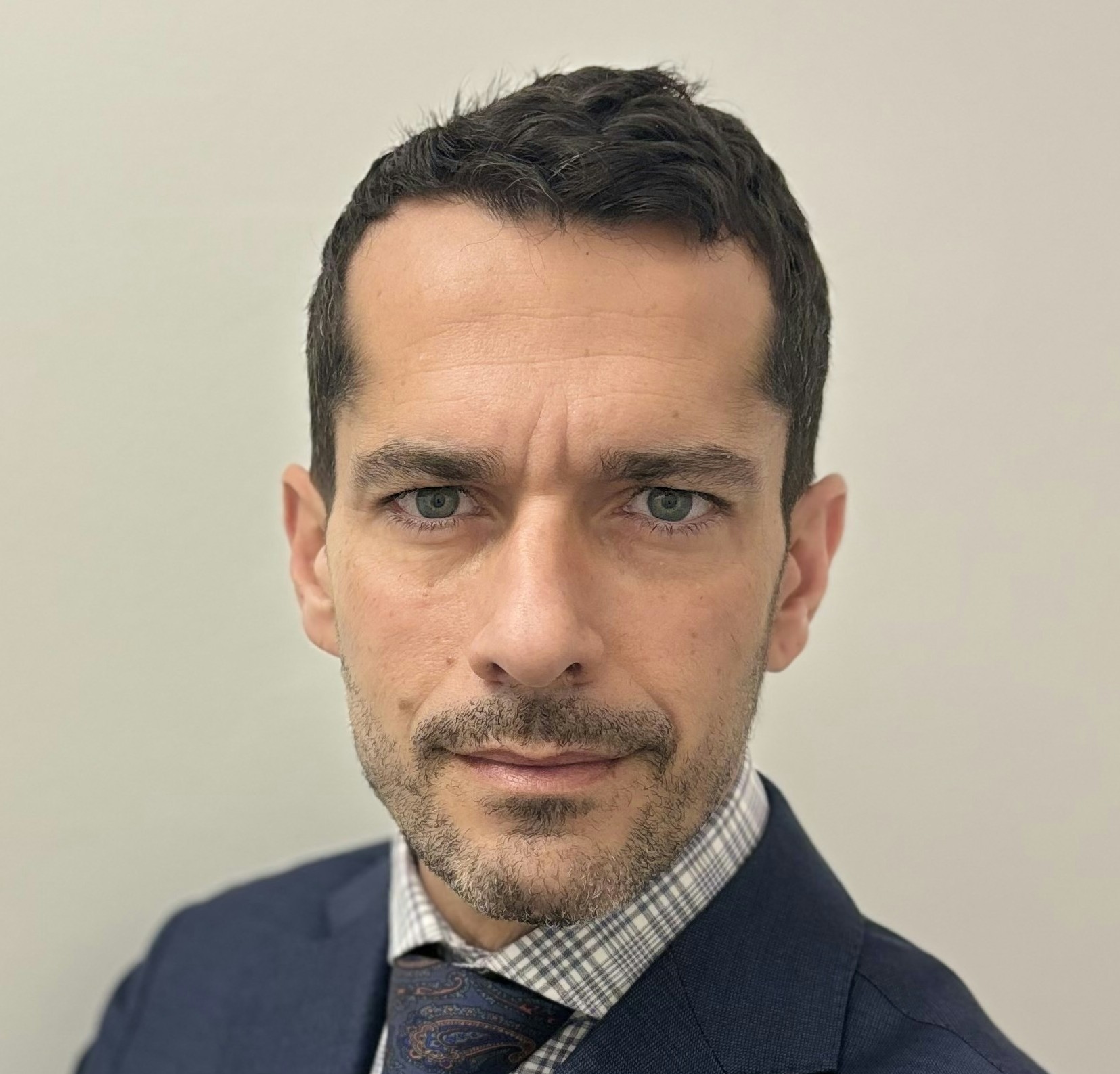
Juan Ignacio del Valle
NATO AI Policy Officer, contributing to the development of AI governance policies in the military domain. His interdisciplinary background, spanning science, engineering and philosophy, enables him to combine technical judgement with a solid understanding of the relevant ethical frameworks. Over a career of more than twenty years, he has worked in programme management, R&D, standardisation and policy development in both the public and private sectors. He led the Ground Segment Unit for Unmanned Aircraft Systems (UAS) at Airbus Defence and Space, where he headed the design and development of control stations for several military drones. He later served as UAS Project Officer at the European Defence Agency (EDA). In parallel with his engineering career, he has explored the ethical dimensions of technology in depth. He holds a PhD in Philosophy from the University of Granada, with research focused on the intersection between civil and military AI and human values.
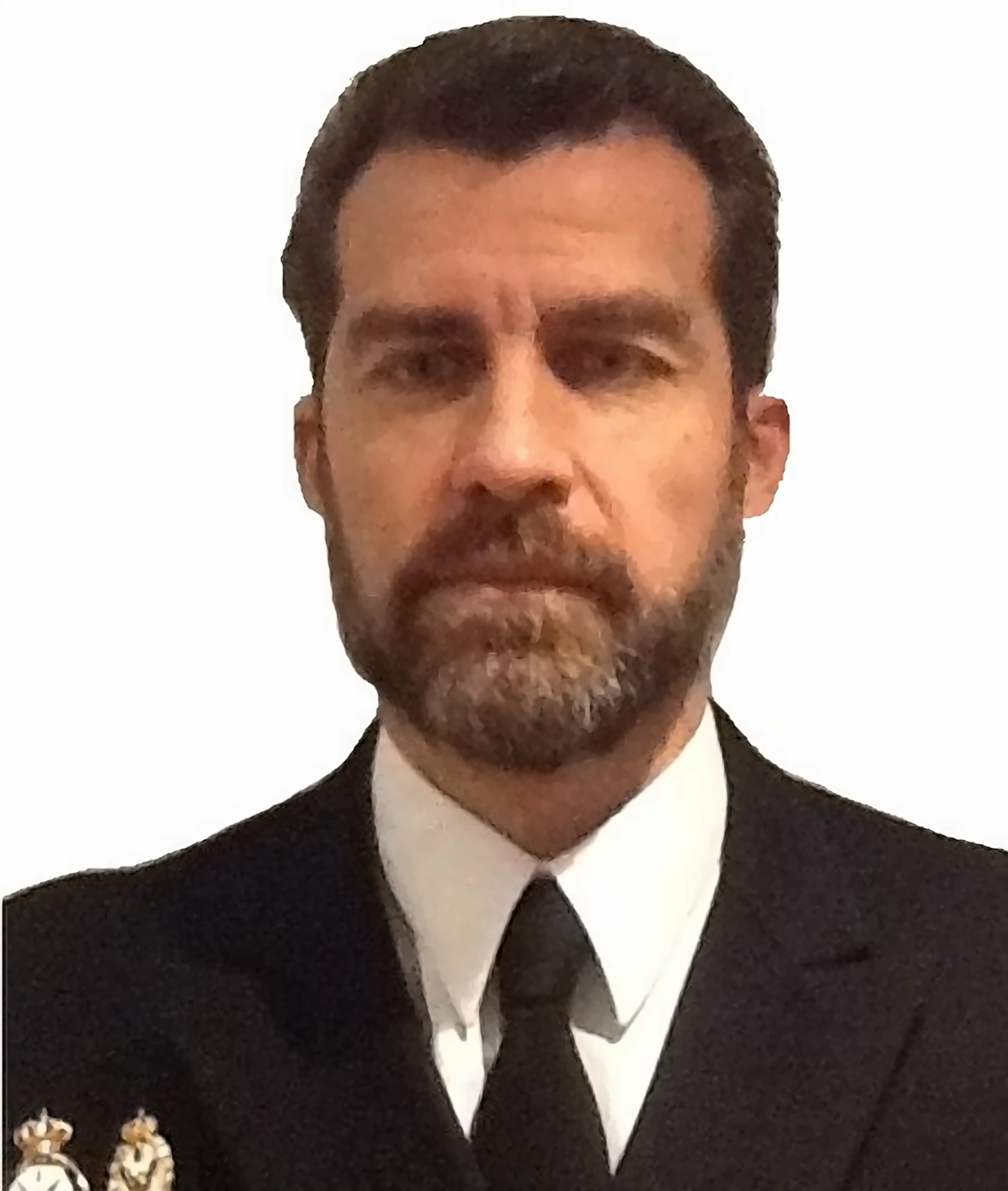
Capitán de Fragata Ramón Touza Gil
A member of the Spanish Navy's General Corps, he has served aboard several vessels, including the corvette Diana, the minesweeper Tajo, the frigates Navarra, Reina Sofía and Baleares, and as Commanding Officer of the patrol vessel Medas. His shore assignments include several years at the Operational Military Research Office and the Navy Statistics Unit. He has taught on the Bachelor's degree in Mechanical Engineering at the University Defence Centre and at the Naval Military Academy. He has served as Head of the Navy Artificial Intelligence Centre and is currently Head of the Sustainment Analysis Support Section within the Sustainment Directorate. He specialises in Naval Artillery and Gunnery and holds a Master's degree in Advanced Data Analysis and Model Building from the Complutense University of Madrid, a Master's degree in Decision Engineering from Rey Juan Carlos University, a Master's degree in Artificial Intelligence from the International University of Valencia, and a PhD in Industrial Technologies from the Polytechnic University of Cartagena.
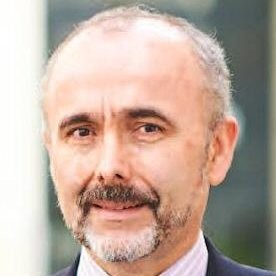
Ignacio Montiel
Programme Manager working on European policy development, with extensive experience in defence technologies. His work focuses on the integration of artificial intelligence (AI) into defence and security applications, with particular interest in its technological and operational implications. He currently works at the European Commission's DG DEFIS, where he contributes to the coordination of specialised technical working groups on AI and manages European Defence Fund (EDF) projects. His work focuses on how AI can improve sensor technologies and information superiority, increase operational efficiency and address the challenges of modern defence, while always ensuring transparency, accountability and collaboration among Member States, industry and European institutions, thereby contributing to the strengthening of European strategic autonomy.
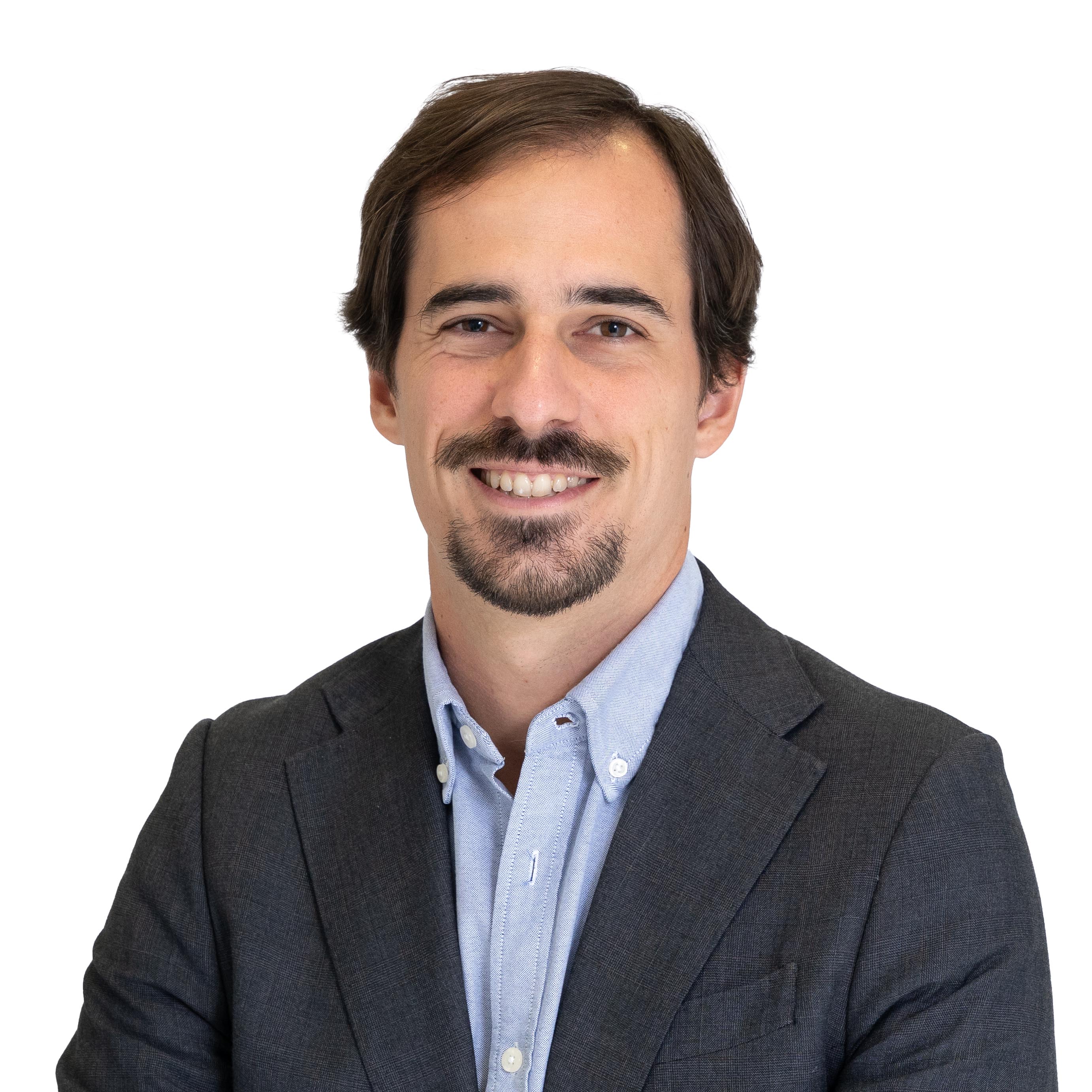
Jorge Reverte Sevillano
Director of Digital Strategy and Chief Artificial Intelligence Officer at Nunsys Group, specialising in strategy, business transformation and artificial intelligence applied to business. He supports organisations across different sectors in assessing their digital maturity, identifying and prioritising transformation opportunities, and designing roadmaps that connect technology, processes, people and business models. A significant part of his work focuses on the strategic adoption of artificial intelligence, from identifying and designing use cases to embedding AI into processes, working models and governance structures. He participates in the development of internal AI initiatives and in defining new services and methodologies to help companies move from AI experimentation to real, scalable application. He has participated as a lecturer, speaker and moderator at business schools, corporate events and specialised forums, with a particular focus on making technology accessible to senior executives and translating its impact into business decisions.
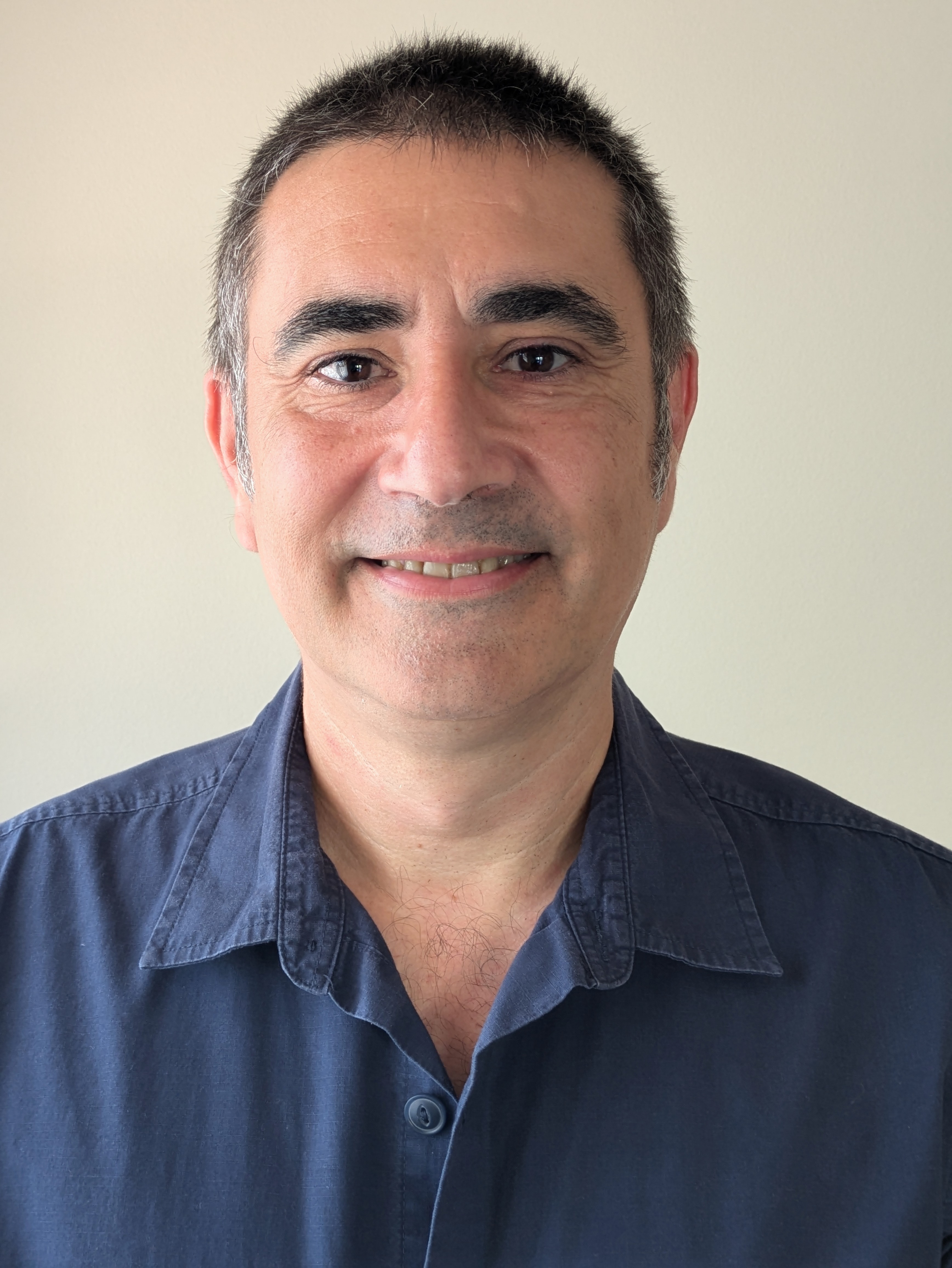
Dr. Jesús Cerquides Bueno
Advisory Member to the Presidency of the Spanish National Research Council (CSIC) on artificial intelligence and Research Scientist at the Artificial Intelligence Research Institute (IIIA-CSIC), with which he has been affiliated since 1995. He holds a PhD from the Universitat Politècnica de Catalunya and has also worked in the private sector as a researcher at Ubilab, UBS's innovation laboratory, and as Chief Technology Officer at iSOCO. He has served as an adviser to the Office of the Prime Minister on disinformation. His work focuses on machine learning, multi-agent systems, decision support under uncertainty, AI for science, health and citizen science. He currently promotes the responsible adoption of AI across the CSIC, including infrastructures, shared services and governance mechanisms. He regularly serves as a senior member of the programme committees of IJCAI and AAAI and is an Associate Editor of the Artificial Intelligence Journal.

Alberto González Dueñas
He holds a degree in Chemical Sciences from the Universidad Autónoma de Madrid and has over 26 years of experience in the Information Technology sector. He is currently part of the Public Sector team at Amazon Web Services (AWS) Spain, where he is National Security and Defence Leader for Spain. He manages relationships with central government bodies, supporting public institutions in their digital transformation and innovation processes through the adoption of cloud technologies, implementing scalable and secure solutions that improve operational efficiency and citizen services. Previously, he spent 20 years at IBM, where his last role was enterprise software sales manager for major accounts in the Public Sector, Banking and Telecommunications. He teaches Cloud and IT Architectures at UNED, UC3M and the Universidad Politécnica de Madrid. Executive education at London Business School.
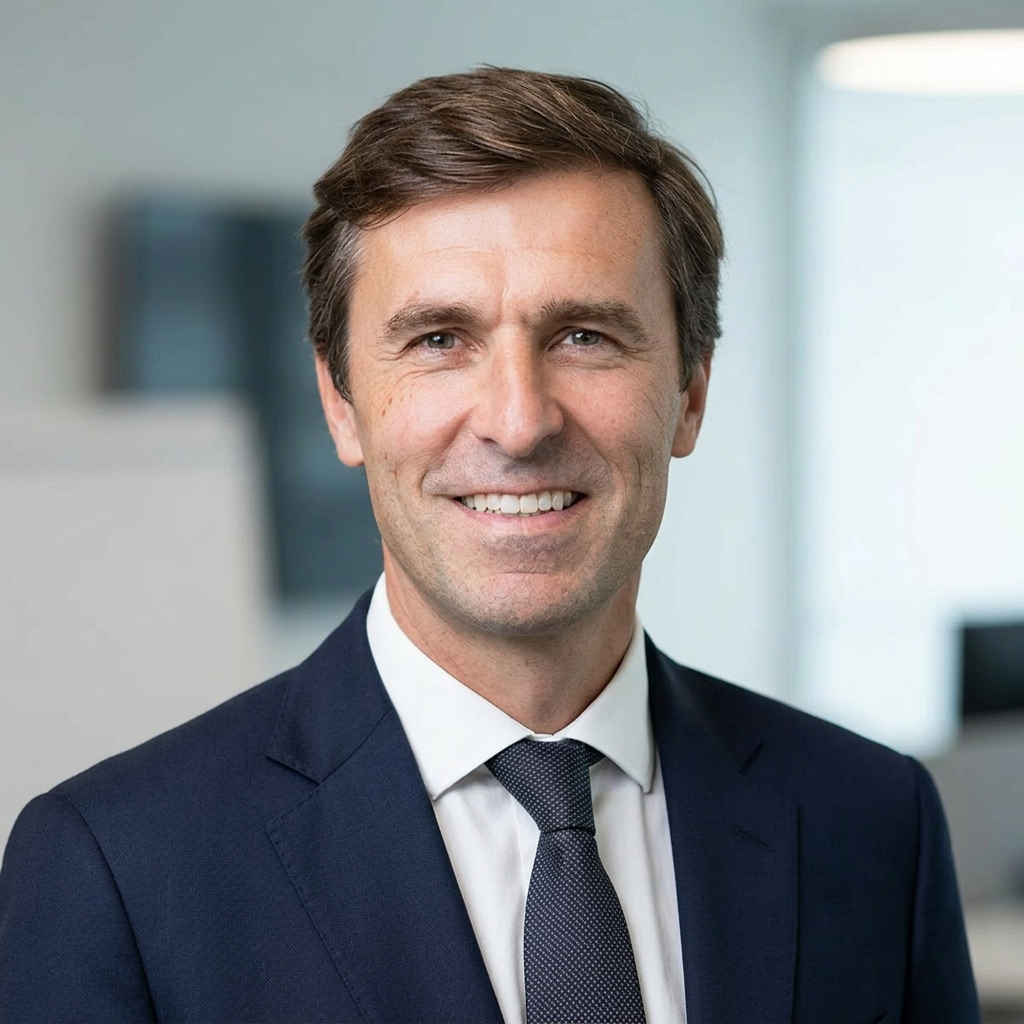
Yago Cid
Key Account Director for Defence and National Security at Google Cloud Spain. He holds a Computer Engineering degree from the Universidad Autónoma de Madrid and has over 25 years of experience in the technology sector, having begun his career at IBM in 1998. He subsequently held positions of responsibility at EMC2 and Virtustream, specialising in the migration of critical applications to sovereign cloud environments. Since 2021, he has led the adoption of technological sovereignty, cybersecurity and secure Artificial Intelligence solutions for the public and defence sectors at Google Cloud. He represents Google at AESMIDE and the Spanish Association of Dual-Use Technology Companies (TECDUAL), and actively collaborates with CESTIC (Ministry of Defence) on key initiatives such as the REAIM Summit and the Soria Conferences.
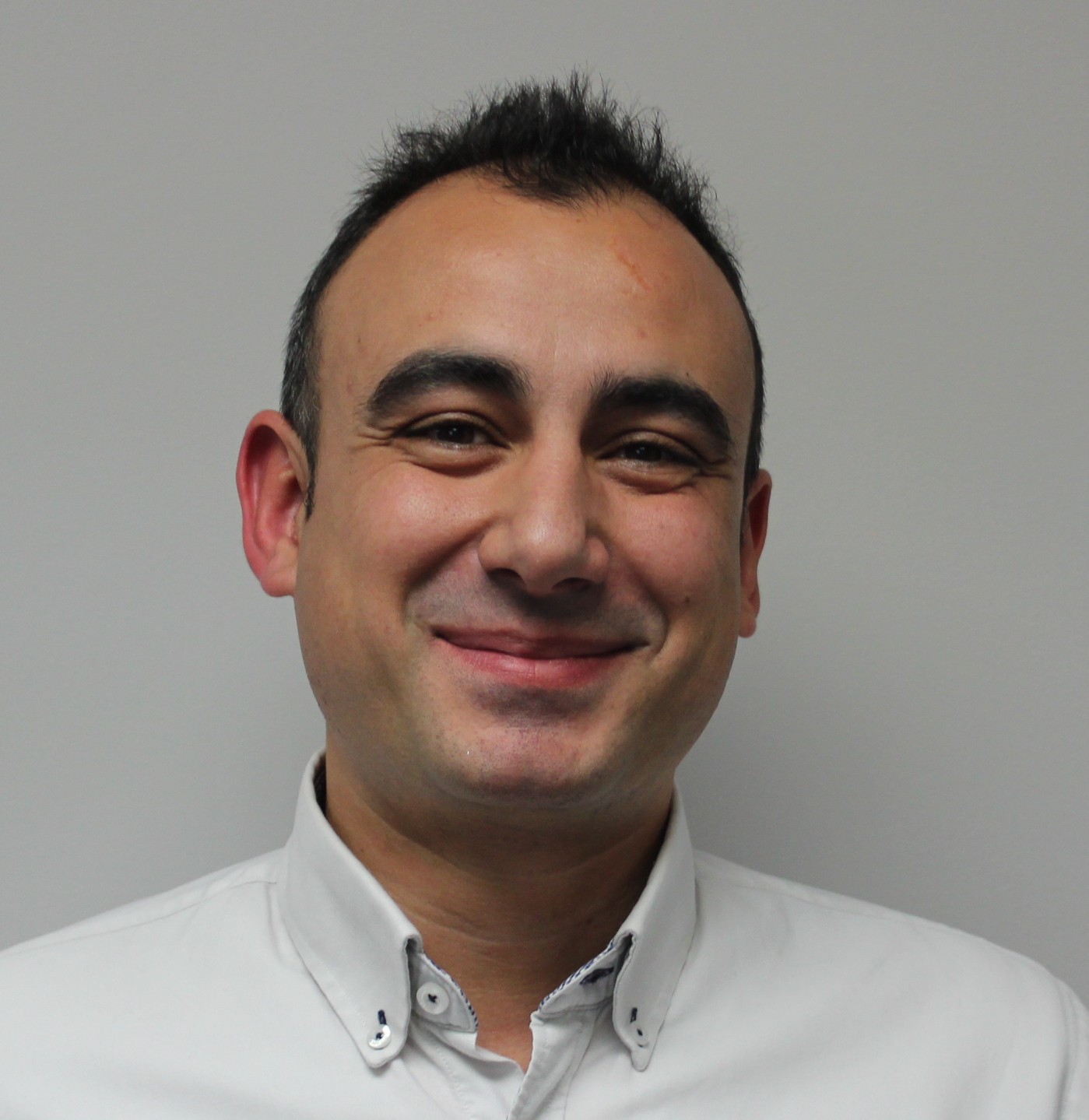
Dr. Fernando Aller Sánchez
Strategic Account Manager for the Defence sector at Multiverse Computing, a European company specialising in artificial intelligence model compression and quantum computing. An Industrial Engineer with a PhD in Intelligent Systems in Engineering from the University of León, he began his research career at the Jožef Stefan Institute in Ljubljana, Slovenia. He subsequently spent eighteen years at Indra, working in business development in the areas of security, simulation and training, and on the Eurofighter and MIDS programmes. At Indra, he participated in and/or coordinated various collaborative programmes within the EDF and CapTech frameworks and was a member of the Simulation CapTech. In parallel, he worked as an Associate Professor at the University of León. His areas of expertise are physical security, simulation and training, and applied artificial intelligence, with a focus on deploying sovereign AI capabilities for the European defence industrial base.
LinkedIn ↗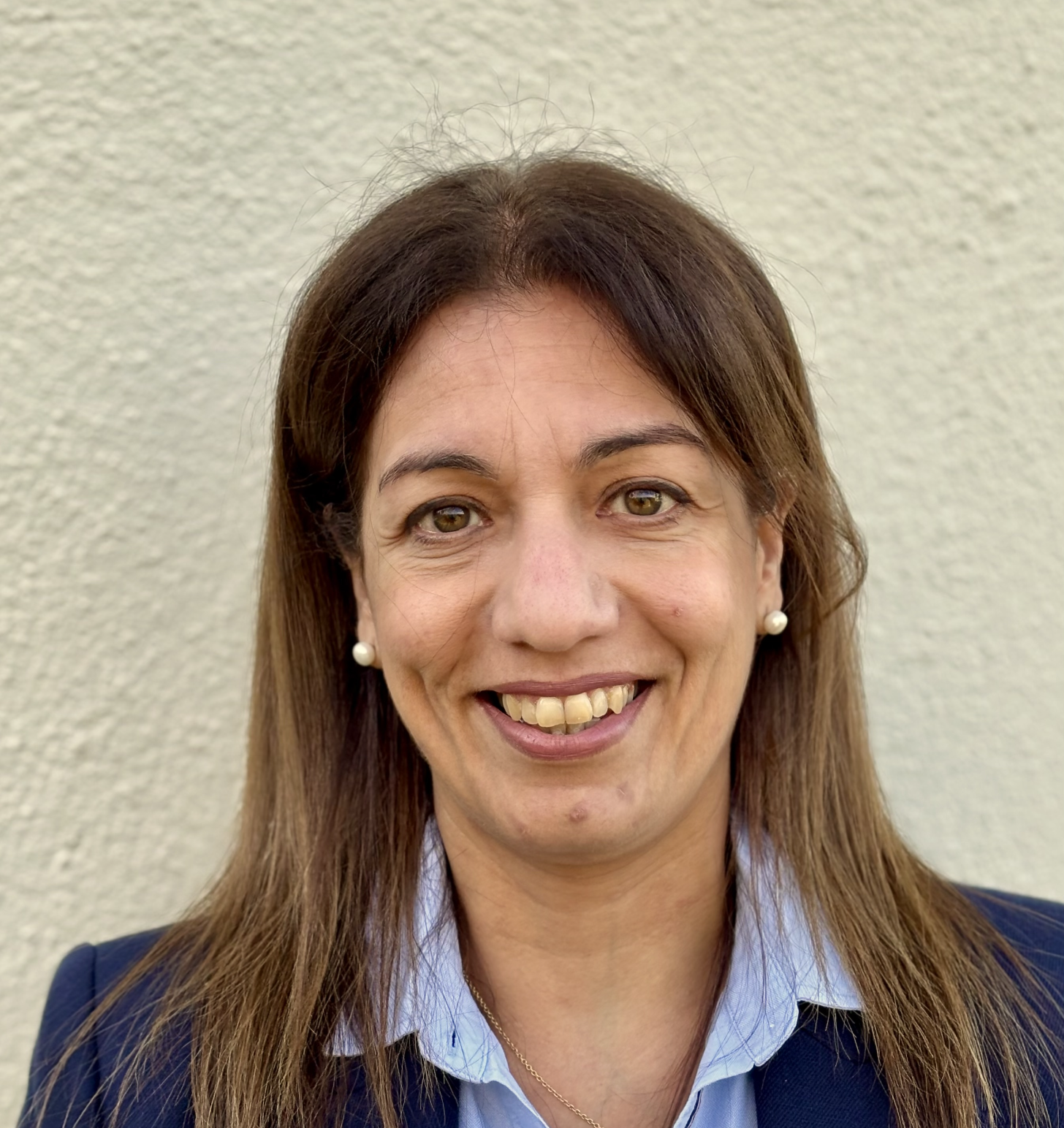
Dra. Tanya Suárez
PhD in Information and Communication Technologies (UPCT) and a graduate in Business Law from London Guildhall University. She has nearly 30 years of experience at the intersection of strategy, emerging technologies and new venture development. She is the founder and CEO of IoT Tribe, an organisation specialising in the creation and acceleration of advanced technology companies, headquartered in London with an office in Dublin. She launched Janus, a dual-use technology accelerator for the UK Ministry of Defence and NATO DIANA. Janus works with high-potential startups and scale-ups to transform cutting-edge technologies into operational capabilities for the United Kingdom and its NATO allies. IoT Tribe also participates in the QinetiQ-led Heimdall consortium, providing advanced data integration capabilities to the Defence Digital Decision Accelerators (DDAD). She sits on the Advisory Board of Trinity Business School and the governing body of the European Quantum Industry Consortium (QuIC), where she chairs the Defence and Security Working Group. She is also a jury member for the European Innovation Council (EIC) and the STEP Scale-Up jury.
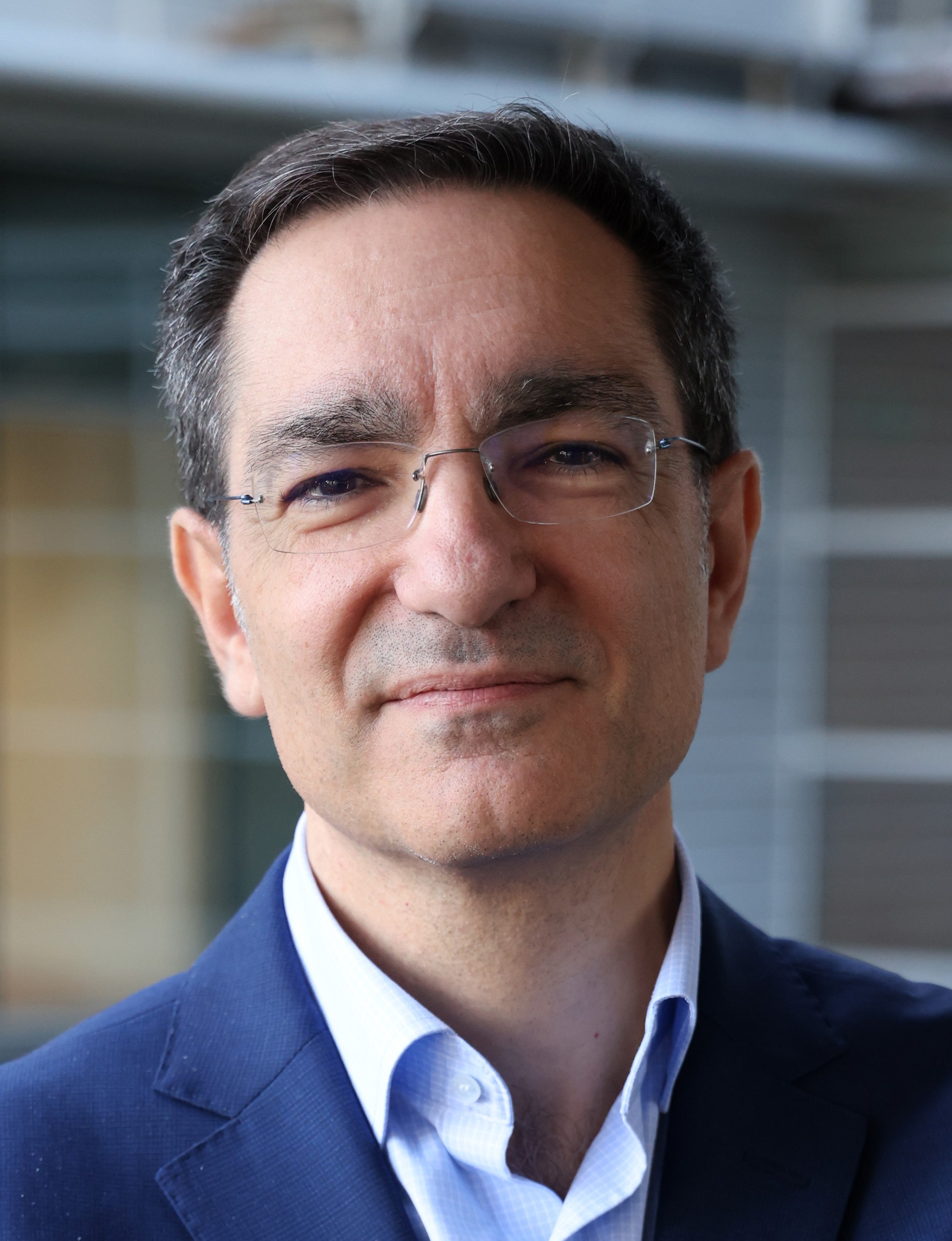
Juan Francisco Gago Fernández
Telecommunications Engineer from the Polytechnic University of Madrid. He holds a General Management Programme (PDG) from IESE and a Master's degree in Multimedia Marketing and Communication from IEDE. He has developed his career as an expert in digital technologies across the private sector, Public Administrations and Defence, with responsibilities in both strategy and business. He is currently Product Director of IndraMind, the Indra Group business unit that enables large-scale data fusion and the development of software, firmware and AI within a framework of technological sovereignty and cyber-resilience for the comprehensive protection of citizens, territories and critical infrastructures. IndraMind has an intelligence platform that supports the industrialised development and governance of digital assets and artificial intelligence in any operational scenario, while strengthening the Indra Group's portfolio of products and programmes for Defence, Space, Intelligence, Security, Emergencies, Mission-Critical Operations and Sensitive Data.
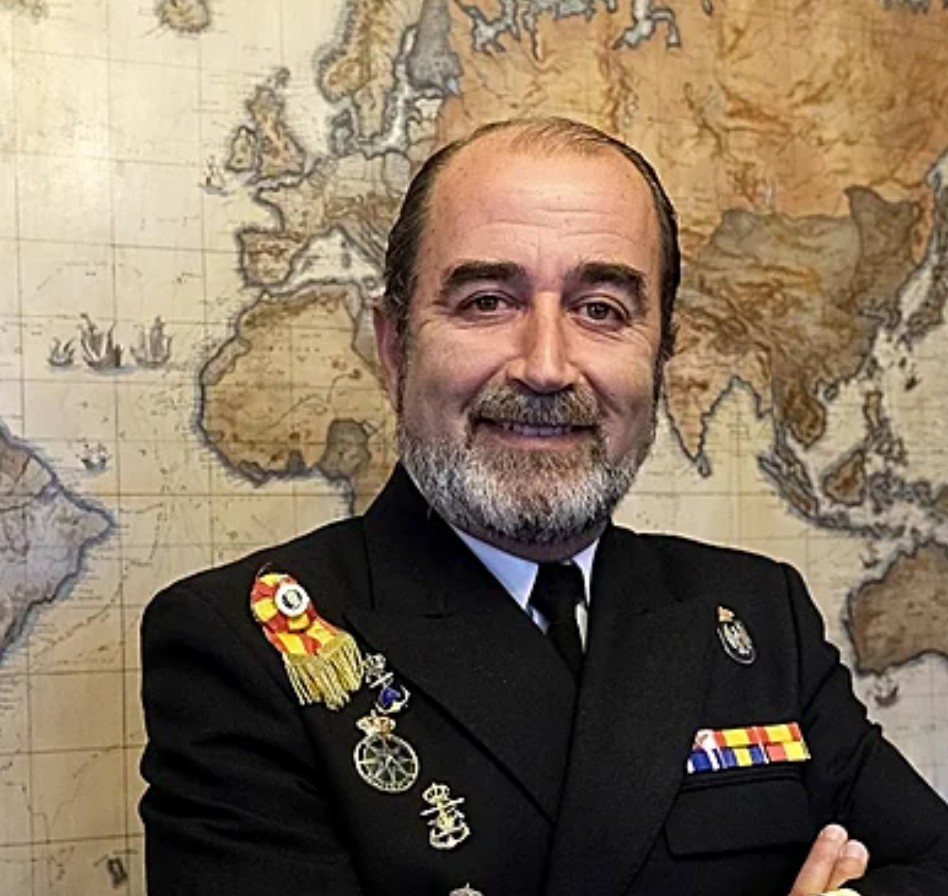
Capitán de Navío Salvador Espinosa González-Llanos
He is currently Chief Data Officer (CDO) at the Ministry of Defence's Centre for Information and Communications Systems and Technologies (CESTIC). He spent fourteen years serving aboard Spanish Navy vessels, eight of them on hydrographic ships. He has also participated in several scientific research projects aboard vessels of the Spanish National Research Council fleet. Ashore, he served at the Navy Hydrographic Institute (IHM) for 19 years in various posts and ranks, notably as Commanding Officer and Director of the IHM from 2022 to 2025. He was Spain's representative on the bathymetry working group of the European Marine Observation and Data Network project (EMODNET, 2013-2014) and a member of the technical group for the extension of Spain's continental shelf at the Ministry of Foreign Affairs (2013-2015). He specialises in Statistics and Hydrography and holds a Master's degree in Engineering and Geographic Information Systems. Among other posts, he has served as Director of the Alejandro Malaspina School of Hydrography (2022-2025), lecturer on the Master's programme in Marine Spatial Planning at Universidad Iberoamericana in Santo Domingo (2017), lecturer on the Master's programme in Defence Naval Engineering at the University of Cádiz (2025), Vice-President of Spain's Higher Geographic Council (2023-2025), and member of the Council of the International Hydrographic Organization (2022-2023). He is the author of numerous scientific and academic publications.
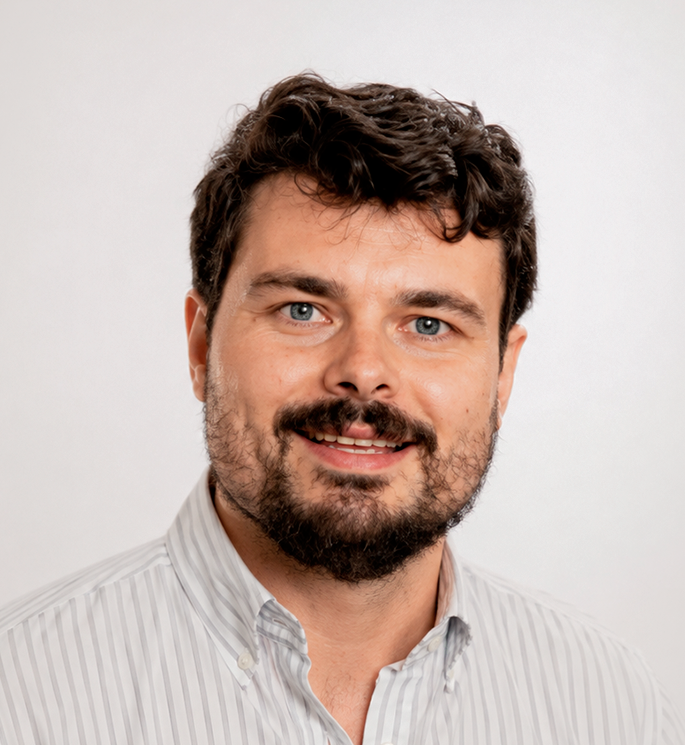
Arturo Malagón Ferreiro
Head of Digital Services at MasOrange, where he leads digital transformation initiatives based on data platforms and artificial intelligence. An Aeronautical Engineer from Florida Institute of Technology, he has a strong track record in highly complex technology projects, combining experience in Defence with the development of solutions for the public sector. He specialises in data governance, enterprise architecture, systems integration, interoperability and information-sharing spaces. He has extensive knowledge of security requirements, technological sovereignty, traceability and the management of sensitive information in critical environments. At MasOrange, he promotes the creation of reliable and auditable data and AI ecosystems aligned with the trust and governance principles required by Public Administrations and Defence.
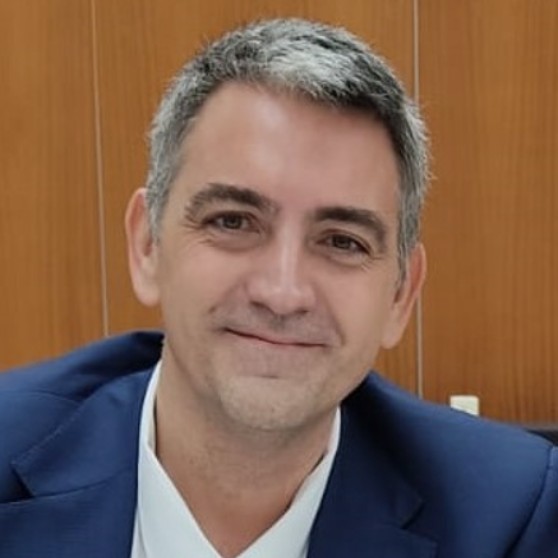
Dr. Ismael Caballero Muñoz-Reja
PhD in Computer Engineering. He is a Full Professor at the University of Castilla-La Mancha (UCLM), where his research focuses on data governance and management, especially data spaces, and he is the co-author of several scientific articles and books on the subject. He is one of the founders and a Managing Partner of DQTeam, where he works as a Data Governance and Management consultant on projects for private companies and Public Administration. He actively participates in various standardisation groups related to data governance, management and data quality management at national level (he participated in the development of UNE specifications 0077 to 0085), European level (he coordinates CEN/CENELEC JTC 25/WG3, where he was also editor of the European standard EN 18352 on data governance in data spaces), and international level (he was editor of ISO 8000-62 and has participated in other standards in the ISO/IEC 8000 family).
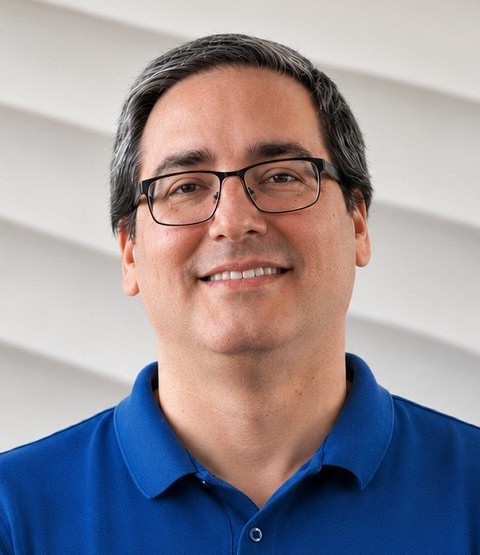
Jaime Calderón Moreno
Telecommunications Engineer with doctoral studies in Telematics Engineering. He works at ISDEFE as ICT Infrastructure Services Manager for Defence, where he leads multidisciplinary teams and highly complex technology projects. Throughout his career, he has driven initiatives aimed at improving the management, governance and exchange of information, promoting the definition of standards, services and technical solutions for digital transformation and decision support. His areas of expertise include enterprise architecture, data governance, digital interoperability and services for the secure exchange of information in critical national and multinational environments. He has participated in various NATO working groups related to data governance and management, interoperability and digital transformation.

Dr. Joaquín Torres Márquez
Chief Architect of Future Combat Air Systems (FCAS) at Airbus Defence & Space. He holds a PhD in Computer Science from UC3M and trained as an Electronics Engineer at the University of Granada (UGR) and TU Wien in Austria. He has more than 25 years of professional experience in a range of environments, including as Technical Lead for R&D projects in Mission Data Management at Airbus Defence and Space, Associate Professor and researcher in Information and Communications Technology Security at UC3M, and R&D Engineer in Mobile Communications and Internet at Siemens Austria. His area of expertise focuses on functional architectures for Systems of Systems and air mission data management, including aspects of Artificial Intelligence and cloud computing. He participates in various initiatives and working groups, including development of the Next Generation Weapon System (NGWS) concept, EICACS (European Initiative for Collaborative Air Combat Standardisation), and NATO's 'Challenges in Multi-Domain Operations' (NATO SAS IST).
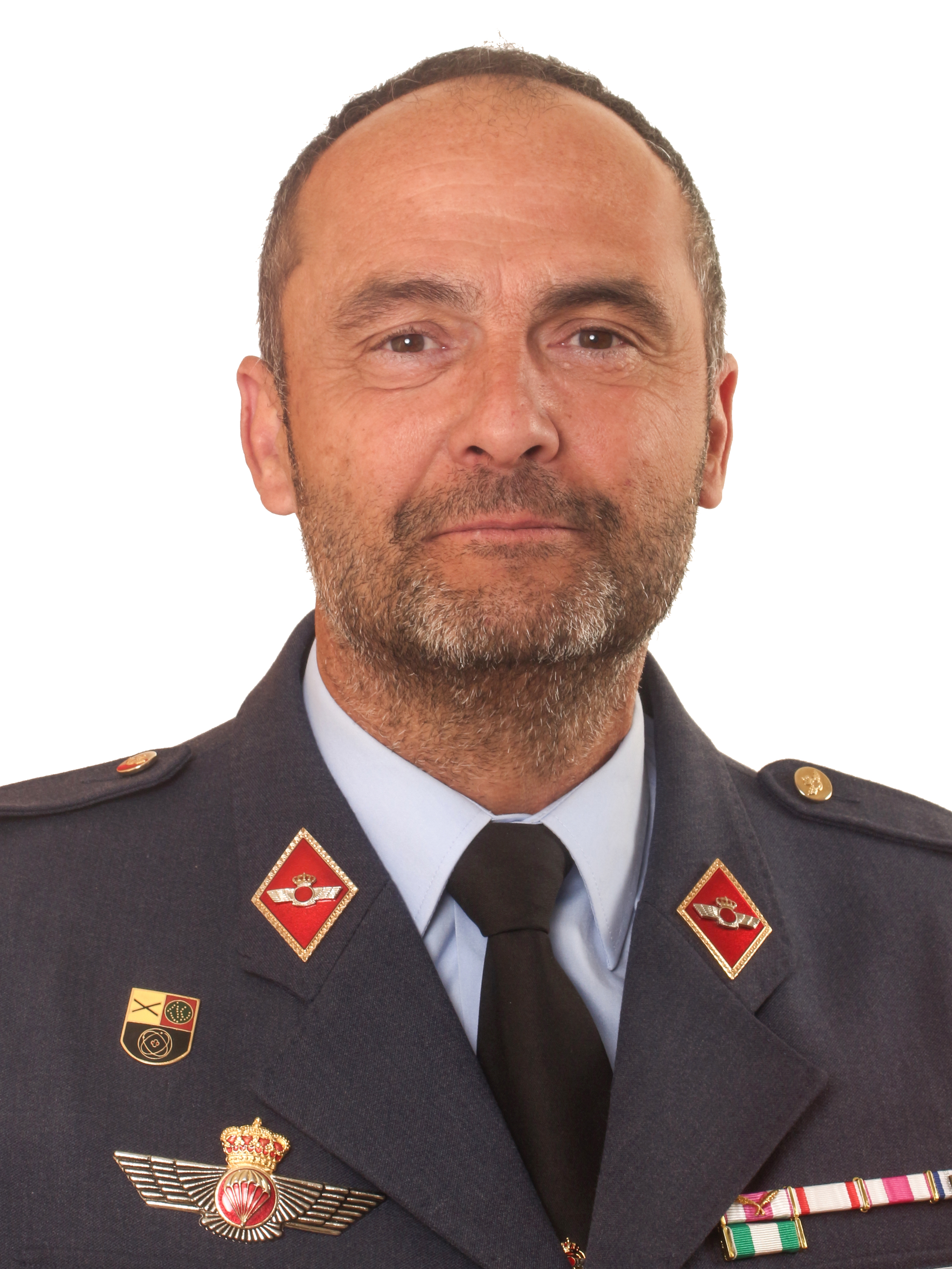
Teniente Coronel Félix García Riquelme
A member of the Officer Corps of the Spanish Air and Space Force under Law 39/2007, he has a well-established operational career. He has held responsibilities in units such as Wing 35 and the Headquarters Security Group, where he has contributed to capability development in security and personnel training, with responsibilities in instruction and training and in the improvement of internal processes. He has completed a range of courses, including the Parachuting Course for Commanders, CBRN Specialist Course, Mission-Oriented Leadership and Command Course, the advanced Spanish Air Force protocol course, and several courses related to air transport. Currently posted to the Subdirectorate-General for Military Education, he participates in the planning, coordination and supervision of officer training within Military Education. His work is aimed at strengthening academic excellence, modernising education systems and adapting military training to the requirements of national defence.
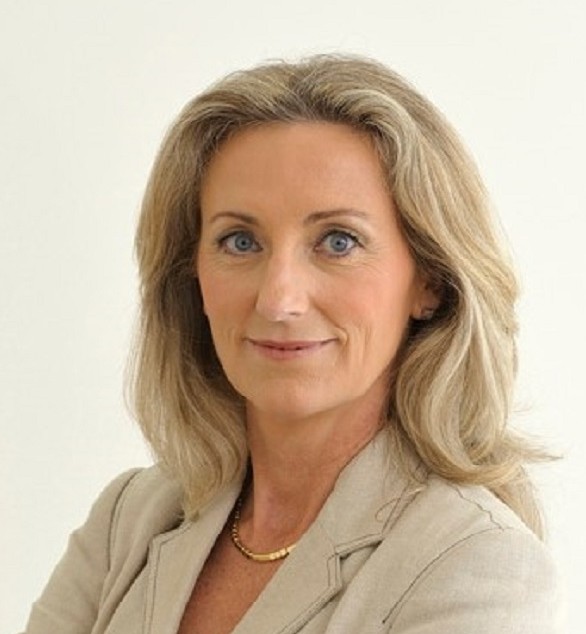
Dra. Amaya Gil-Albarova
Deputy Director of the University Defence Centre located at the General Military Academy in Zaragoza. She holds a PhD in Sociology and a degree in Philosophy and Arts, and has completed postgraduate studies at Deusto, UNED, Nebrija and UOC. She specialises in education policy and the leadership and management of Higher Education. Since 1988, she has carried out teaching and research in these fields. She has served as Vice-Rector for Academic Affairs and Students at Universidad San Jorge and was a member of the Governing Board of the Aragon Agency for Quality Assurance and Strategic Foresight in Higher Education. She is a member of the Society, Uncertainty and Creativity research group at the University of Zaragoza and of the Spanish University Teaching Network. She is the author of publications and conference papers presented at international congresses. Most recently, she coordinated the working group responsible for drafting the Policy for the Development and Ethical Use of Artificial Intelligence in Military Education of the Directorate-General for Recruitment and Military Education. Previously, she developed the institutional policy and guidelines for the use of artificial intelligence in teaching at the University Defence Centre (CUD) and the General Military Academy (AGM).
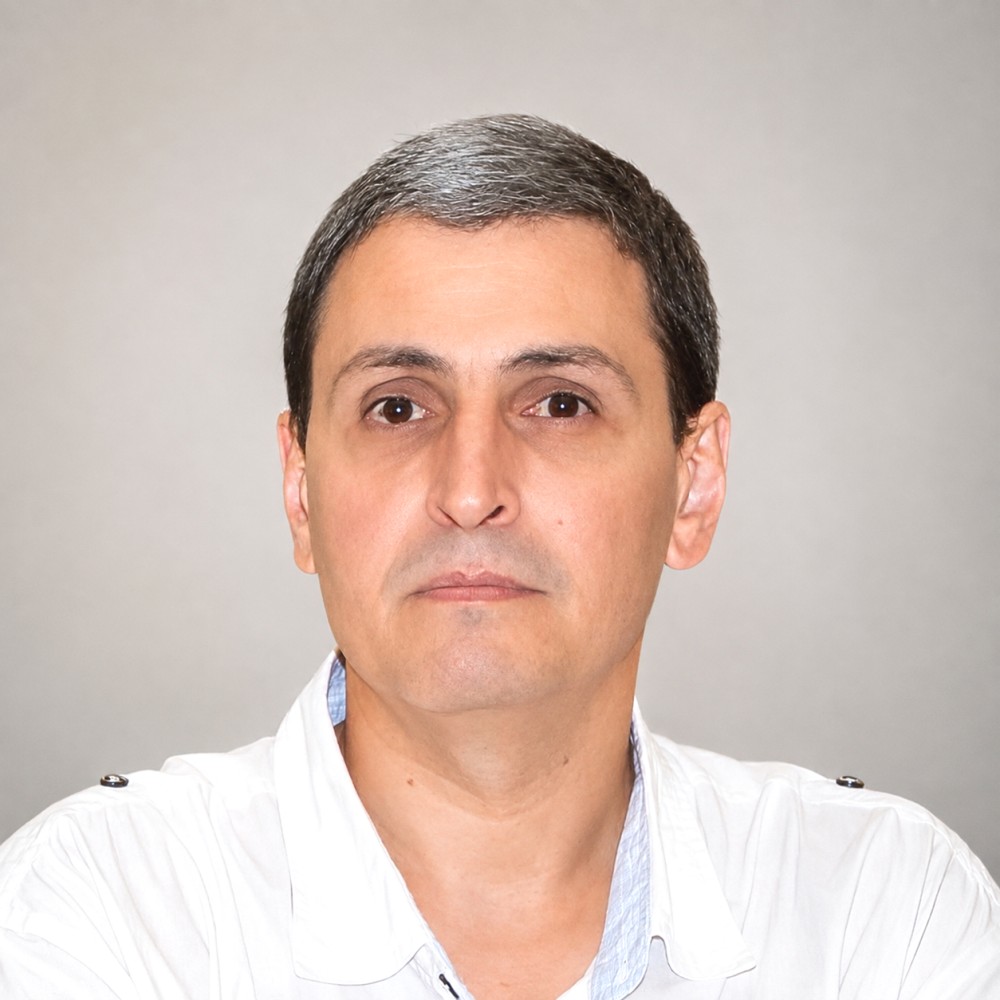
Dr. José V. Hernández Conde
Director of the HumanIA Lab and Vice-Dean of the Faculty of Philosophy and Arts at the University of Valladolid (UVa), where he teaches in the Department of Philosophy. Holding a PhD in Philosophy and a degree in Telecommunications Engineering, his main areas of expertise are artificial intelligence, philosophy of mind and language, cognitive science and data analysis. Before entering academia, he spent ten years in technology and strategy consulting as a data analytics expert for firms such as The Boston Consulting Group. He is a member of the UVa Artificial Intelligence Centre and of CLAIRE (Confederation of Laboratories for Artificial Intelligence Research in Europe), within its Special Interest Group on Ethics. He will soon publish, with Plaza & Janés, as editor and co-author, the book Pensar la inteligencia artificial: una aproximación ético-filosófica.
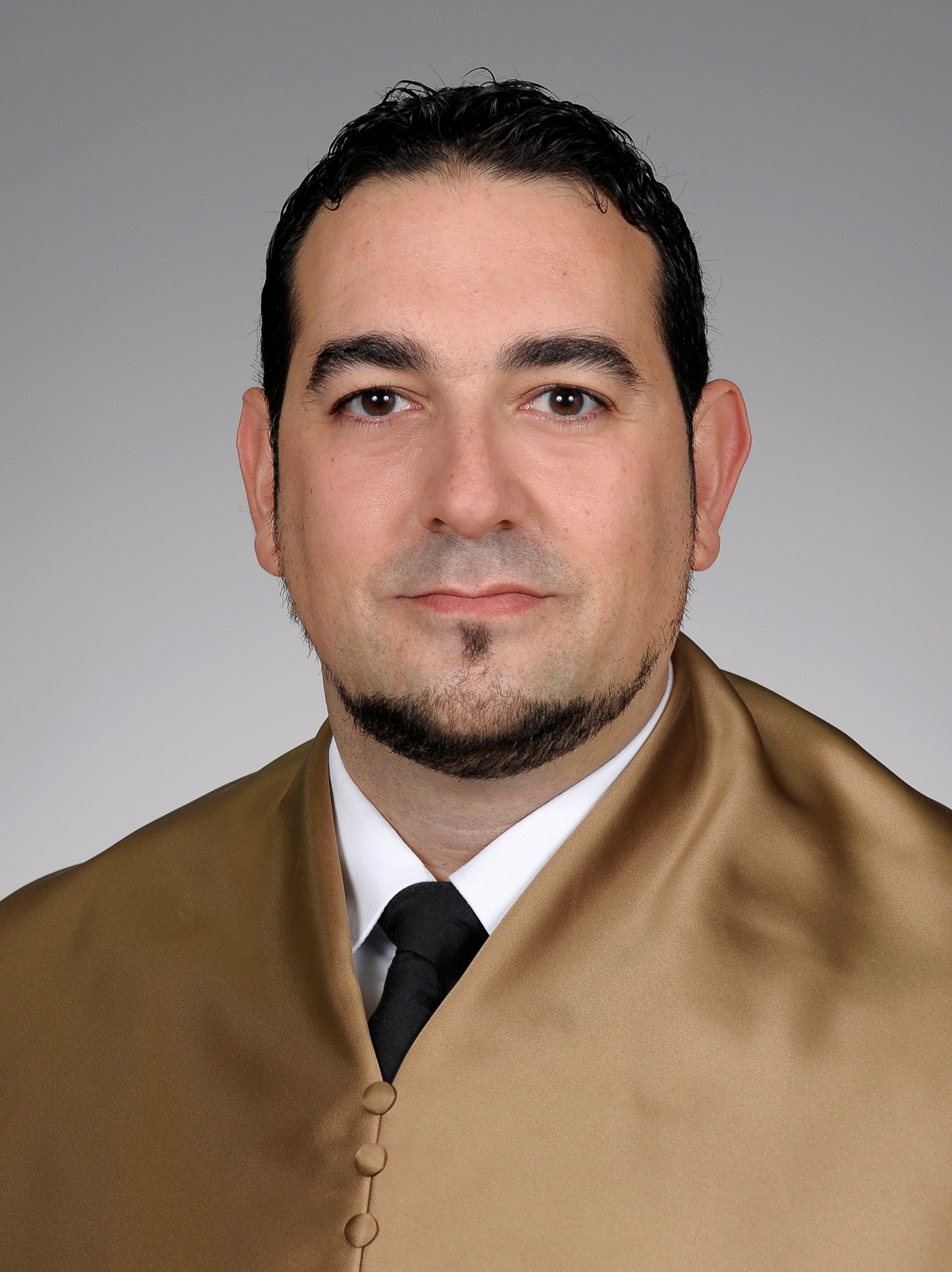
Dr. Francisco Javier Fabra Caro
Vice-Rector for Digital Strategy and Artificial Intelligence at the University of Zaragoza and Associate Professor in the area of Computer Languages and Systems. He carries out his academic and research work at the Aragón Institute for Engineering Research (I3A), with a career focused on artificial intelligence, cloud computing, data analytics, distributed systems and educational innovation. He has led and participated in numerous initiatives involving digital transformation, digital skills training and the application of emerging technologies in higher education. He combines technological research with the design of institutional strategies to address the challenges posed by artificial intelligence. He has participated in national and international research and innovation projects, led teaching innovation projects and collaborated in various CRUE working groups. His current interests focus on analysing how artificial intelligence is transforming teaching, learning and assessment processes, as well as identifying the skills that future professionals will need.
Dr. Jorge Villagra
Jorge Villagrá Serrano is a CSIC Research Professor and Head of the Autonomous Systems and Artificial Intelligence Research Unit at the Centre for Automation and Robotics (CSIC-UPM), where he leads the AUTOPIA group. An Industrial Engineer from the Polytechnic University of Madrid and PhD in Real-Time Computing, Robotics and Automation from Mines Paris, his research focuses on autonomous systems, trustworthy AI and critical systems, with particular emphasis on their validation and deployment in real-world environments. He has participated in nearly 50 R&D projects, many of them European and with a strong industrial component, combining research with technology transfer and collaboration with companies and Public Administrations, including in the Defence sector. He coordinates the CSIC Mobility2030 platform, represents the CSIC in the European association EPOSS, and regularly participates as a European Commission project evaluator and as an expert in scientific, technological and civil-society forums on AI and autonomous systems.
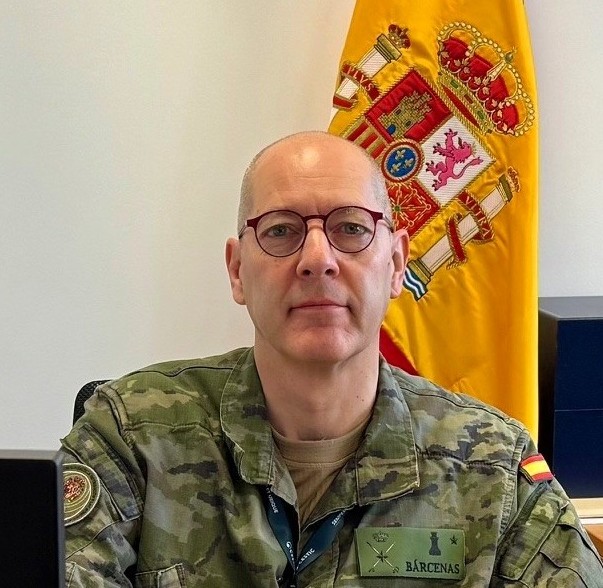
General de Brigada Luis Andrés Bárcenas Medina
Deputy to the Director General of CESTIC, he joined the Spanish Army in 1989. He has held command posts in Spanish Army and NATO units for a total of 17 years, as well as advisory and analysis positions for 13 years. He has combined these assignments with training in Spain (General Staff Course, Signals Course, Electronic Warfare Course and EOD/TEDAX training) and abroad (General Staff Course in the United Kingdom, Master's degree in Defence Studies from King's College London, and NATO and EU courses). He served as Chief of Future Operations at the Eurocorps Headquarters in Strasbourg and has taken part in overseas operations in Bosnia and Herzegovina, Kosovo and Afghanistan. He is the co-author of two books and the author of a considerable number of articles and essays. He is a Corresponding Member of the Academy of Military Sciences and Arts and teaches at Universidad Carlos III de Madrid and the University of Málaga. He speaks English and French at expert level and Italian and Portuguese at professional level.
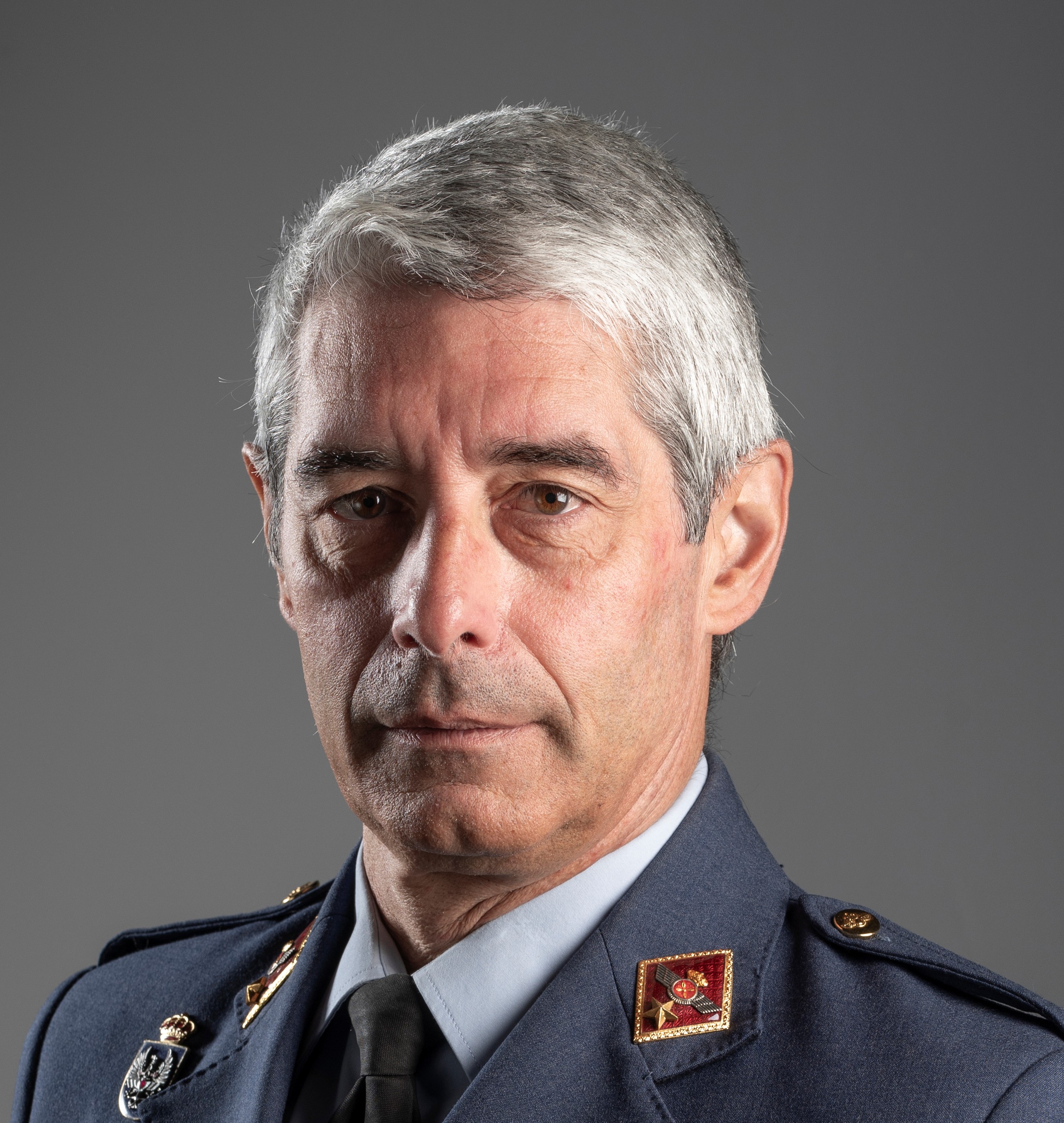
Cor. Ángel Gómez de Ágreda
Colonel in the Spanish Air and Space Force Reserve. Consultant at Evolutio and Managing Director of Europavia Gulf in Doha, Qatar. He holds a PhD in Engineering from the Polytechnic University of Madrid and is a graduate of the General Staff Course. A military pilot and parachutist, he has taken part in four international missions in Europe, Asia and Africa. He has served as a member of the Joint Cyberspace Command, Head of the Geopolitical Analysis Area at SEGENPOL in the Ministry of Defence, and Defence Attaché in the Republic of Korea and Japan. He has taught at several military schools, including CESEDEN, as well as at various universities and business schools. His areas of interest are geopolitics and digital technologies. He is the author of numerous academic and general-interest articles on these subjects, as well as three books: Mundo Orwell, IA y Defensa, and Un mundo falaz.
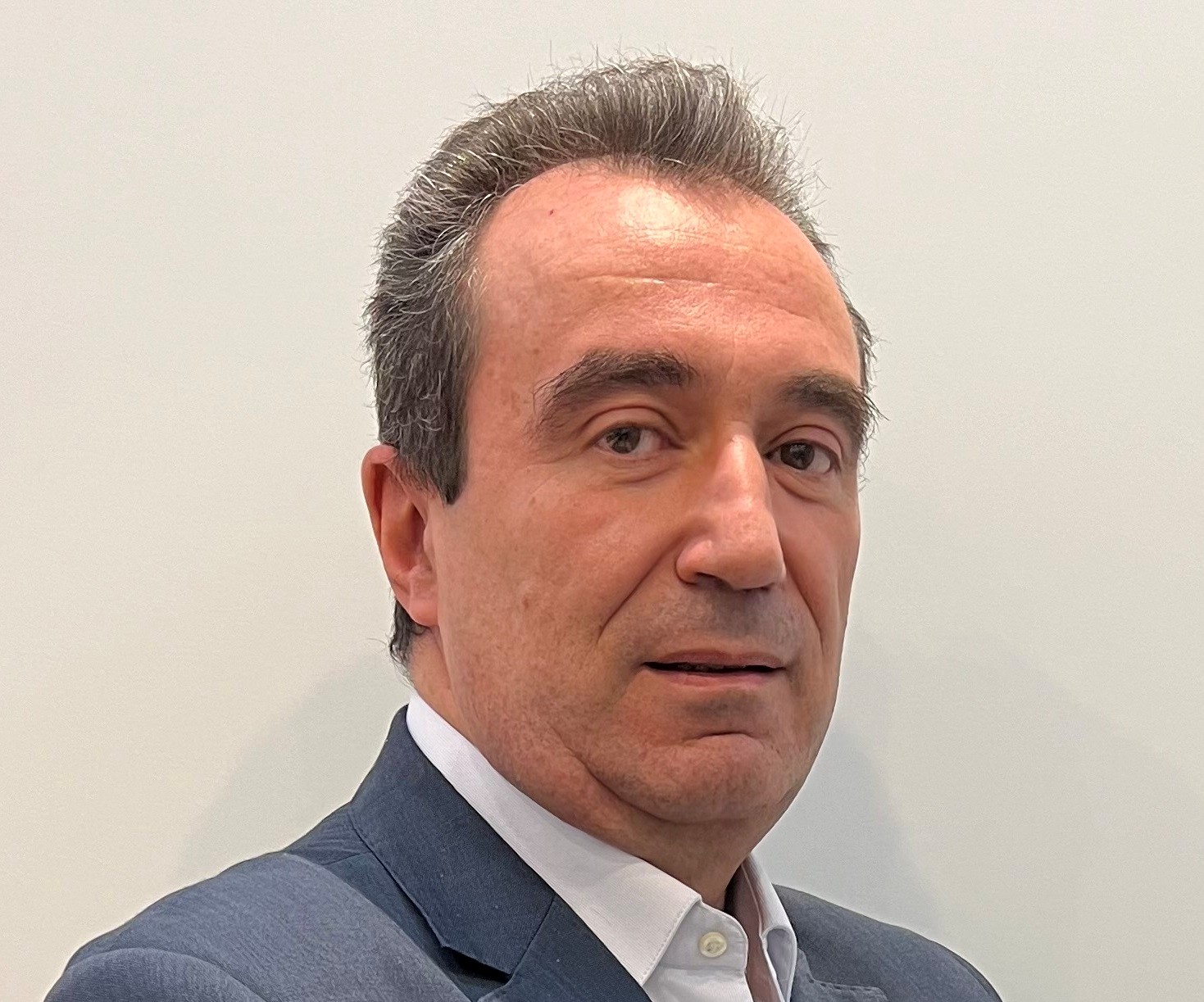
Jesús María Alonso García
Business Development & CTO for Public Sector & Defence at Atos, he leads the definition of strategic offerings for Public Administrations and Defence, driving initiatives in digital transformation, artificial intelligence, cybersecurity, ICT governance and institutional modernisation. A Telecommunications Engineer from the Polytechnic University of Madrid (UPM), with Executive Coaching training from the European School of Coaching, he has more than 30 years of experience in consulting and project management. He has participated in projects for the Spanish Ministry of Defence, including the drafting and development of the CIS Master Plan: PKI infrastructures, digital identity, regulations and policies, a security services platform and the security operations centre, and he currently collaborates on innovation projects involving emerging technologies, mainly AI-based. He has also led organisational and cybersecurity initiatives for the Qatar Armed Forces and Airbus. He is a regular speaker at specialised forums and the author of numerous articles. He teaches on Master's programmes at EOI, ICADE and Universidad Pontificia de Salamanca and works as a coach on executive programmes. He is Spain's member of the NATO STO working group SAS-AVT-SET-HFM-205 RTG, 'Youth Perspective On Emerging And Disruptive Technologies'.
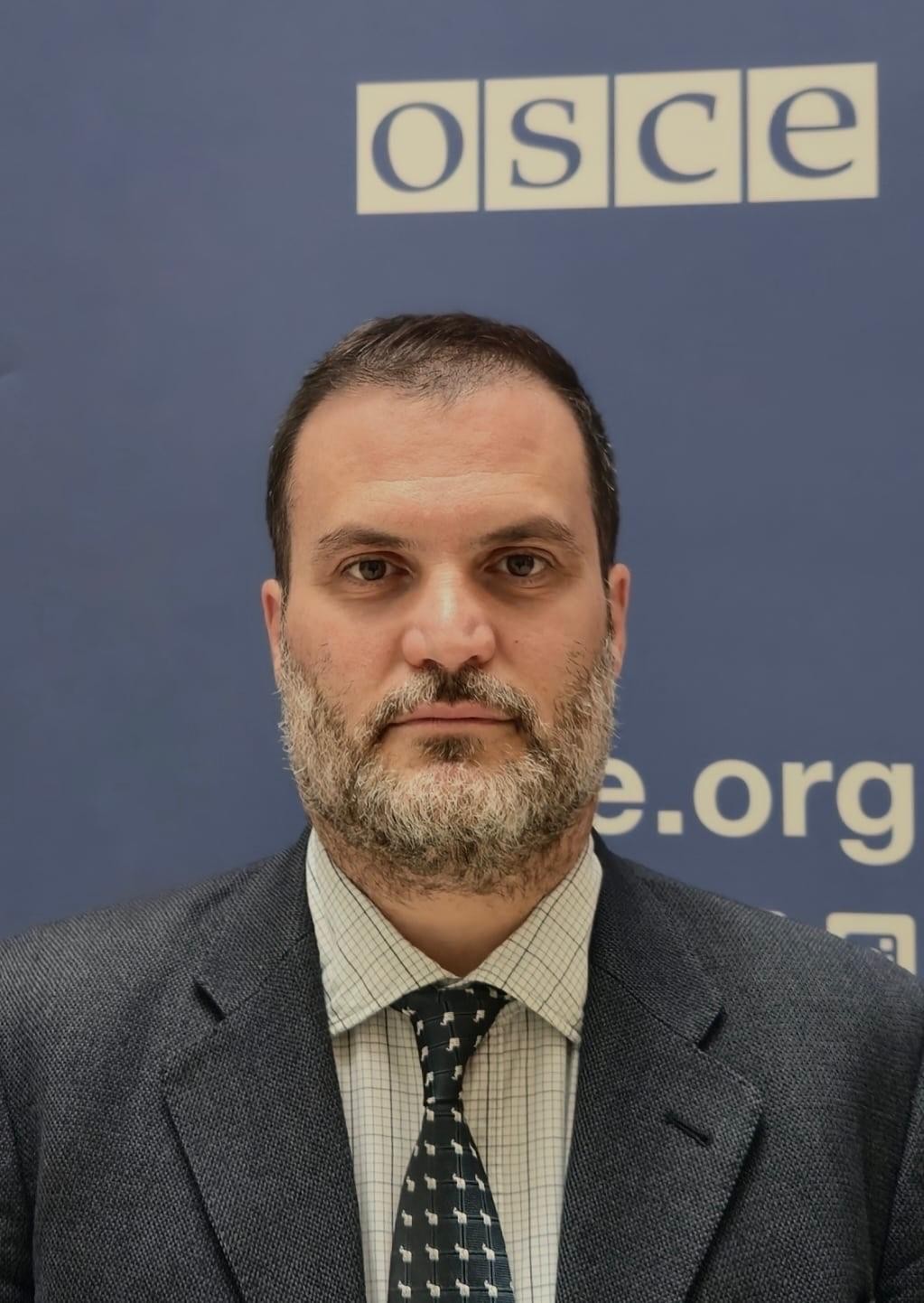
Ignacio Talegón Campoamor
Senior External Co-operation Officer at the Secretariat of the Organization for Security and Co-operation in Europe (OSCE) in Vienna, where he acts as liaison officer with the European Union and NATO and coordinates the Organization's network of Artificial Intelligence focal points. Between April 2025 and February 2026, he served as an adviser on responsible artificial intelligence in the military domain at the Ministry of Foreign Affairs, where he worked directly on drafting and subsequent rounds of revision of the final declaration of the REAIM 2026 Summit, 'Pathways to Action'. Previously, he held several positions within the OSCE Secretariat, including Executive Officer in the Policy Advisory Unit, advising the Secretary General on the nexus between emerging technologies and security. He is also currently a doctoral researcher at Rey Juan Carlos University, where his work focuses on the international dimension of responsible AI in the military domain.
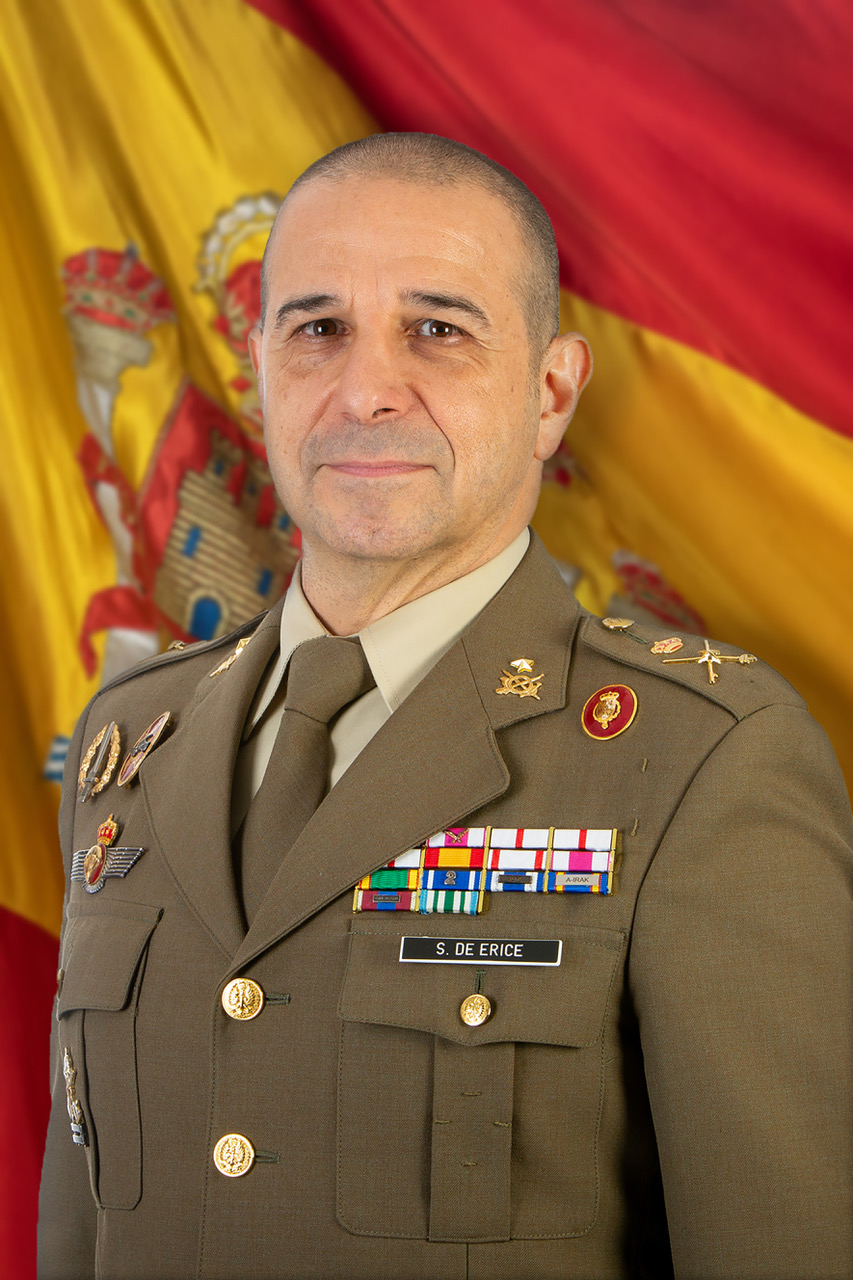
General de Brigada Pedro M. Sebastián de Erice Llano
A Brigadier General since April 2025, he currently serves as Director of the Spanish Army School of War and Leadership. He entered the General Military Academy in 1989 and has held unit command as a lieutenant in the 3rd Legion Tercio 'D. Juan de Austria' (Fuerteventura/Viator), as a captain in the 'Asturias' 31 Infantry Regiment (Madrid), as a lieutenant colonel commanding the 1st Mechanised Battalion of the 'Saboya' 6 Infantry Regiment (Badajoz), and again in the 'Asturias' 31 Regiment as its Commanding Colonel. He has taken part in five overseas missions: Bosnia and Herzegovina (1996 and 2002), Afghanistan (2012), and Iraq (2016 and 2025/26). In the most recent mission, as a Brigadier General, he commanded the Alfa/India operation contingent and served as Chief of Staff of NATO Mission Iraq. He has carried out command support and advisory duties in the Spanish Army Staff and the Joint Defence Staff, and has served as the Spanish Army representative in the Office of the Military Household of His Majesty the King. He is qualified in Special Operations, Armed Forces General Staff and Senior Logistics Management.
Luis Hernández
Permanent Lecturer in Cybersecurity and Rector's Delegate for Technology Management at the University of Murcia, where he also received the Extraordinary Doctorate Award. From 2018 to 2023, he was a Scientific Officer at the European Commission (DG JRC), where he participated in major European cybersecurity initiatives, including the European Cybersecurity Taxonomy, the EU Cybersecurity Atlas, and the analysis of standards associated with the Cyber Resilience Act, developed in collaboration with ENISA. He has acted as an expert for the European Commission, NATO and national research agencies in several countries, and was selected as a standardisation expert by the European Cyberstand project. He has also collaborated with Office C of the Spanish Congress of Deputies and on technology foresight studies for the European Commission. A recipient of several fellowships, including a Marie Skłodowska-Curie Postdoctoral Fellowship and a Leonardo Grant, he has more than 70 scientific publications in the field of cybersecurity.
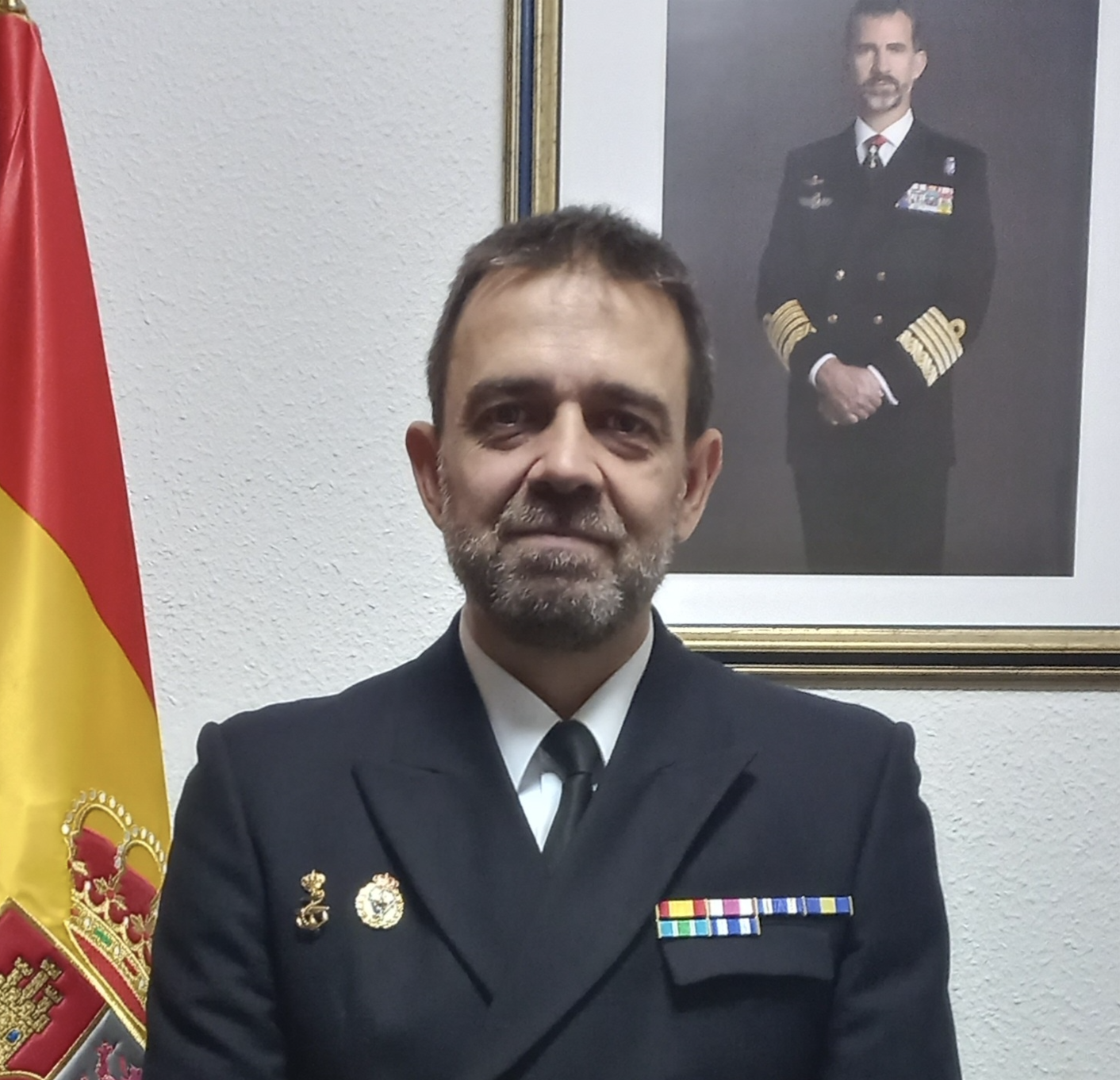
Capitán de Fragata Álvaro Herraiz Solla
Since 2024, he has served as Head of the Spanish Navy AI Centre (GICSEGEMAREMA). Between 2021 and 2024, he headed the Modelling and Simulation Coordination Office (MSCO), supporting the NATO STO M&S STC / NMSG. Prior to that, he spent four years working in operational research after completing an MSc at the U.S. Naval Postgraduate School (2015-2017). Earlier in his career, he served aboard the ships Cristóbal Colón, Juan Carlos I, Infanta Elena, Asturias and Cataluña. He also completed the Artillery and Missiles specialisation (2006-2007) and General Corps training at the Naval Military Academy (1997-2002).
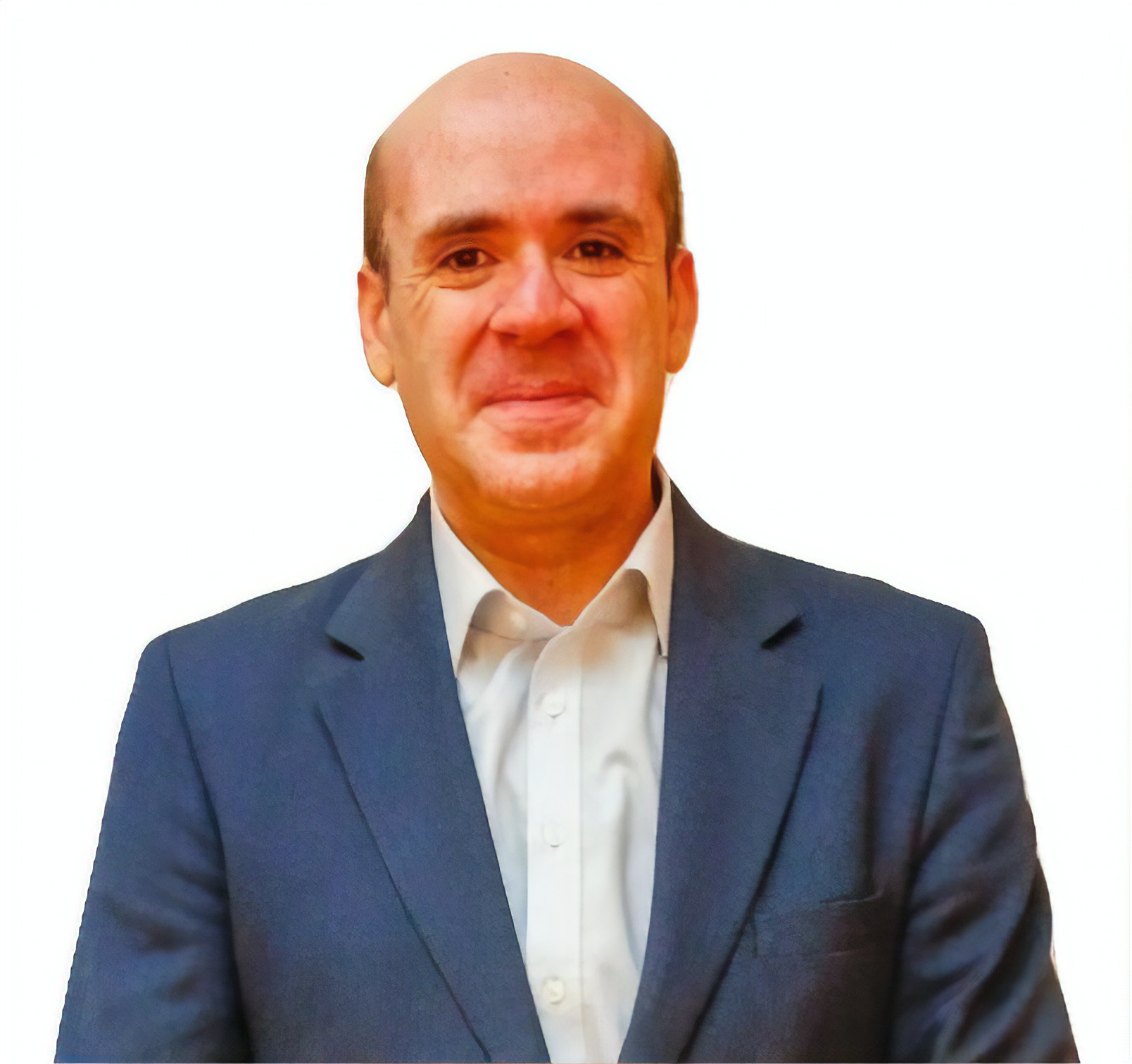
Dr. Javier Bajo Pérez
Full Professor in the Department of Artificial Intelligence and Director of the R&D&I Centre for Artificial Intelligence at the Polytechnic University of Madrid. He holds a PhD in Computer Science from the University of Salamanca. He has been a visiting professor at Dartmouth College (USA), Osaka Institute of Technology (Japan), and IRIT-University of Toulouse (France). He has supervised 19 doctoral theses and participated in more than 81 research projects under programmes including FP7, H2020, Horizon Europe, EDF, EDA, EIT and CEF, as well as national and regional calls. He is the author of more than 300 scientific papers. His research areas include Social Intelligence, Intelligent Agents and Multi-Agent Systems, Neurotechnology, and Trustworthy Artificial Intelligence. He participates in innovation activities, mainly through EIT Digital projects, the European Digital Innovation Hub EDIH2.0 of the Community of Madrid, and the NATO DIANA Test Centre for Neurotechnology and Artificial Intelligence, among others.

Dr. Víctor Mayoral Vilches
He is one of the leading international experts in robotic cybersecurity and a pioneer in applying artificial intelligence to offensive security. He is one of the original creators of the Robot Operating System (ROS 2), now used by most robots. He founded Erle Robotics, Alias Robotics and Acceleration Robotics. He has discovered and disclosed more than one hundred vulnerabilities in industrial and humanoid robots, leading to several international advisories, including vulnerabilities affecting the DDS communications middleware used in industrial and defence platforms. He is the co-author of dozens of papers, including PentestGPT (USENIX Security '24), which received the Artifact Award, and the creator of Cybersecurity AI (CAI), a system of autonomous agents capable of carrying out offensive and defensive operations. He has been an invited speaker at Black Hat USA and Europe and was recognised by MIT Technology Review Innovators Under 35 Spain. He is an expert in cybersecurity and robotics with experience in defence and military projects.

Alberto González Dueñas
He holds a degree in Chemical Sciences from the Universidad Autónoma de Madrid and has over 26 years of experience in the Information Technology sector. He is currently part of the Public Sector team at Amazon Web Services (AWS) Spain, where he is National Security and Defence Leader for Spain. He manages relationships with central government bodies, supporting public institutions in their digital transformation and innovation processes through the adoption of cloud technologies, implementing scalable and secure solutions that improve operational efficiency and citizen services. Previously, he spent 20 years at IBM, where his last role was enterprise software sales manager for major accounts in the Public Sector, Banking and Telecommunications. He teaches Cloud and IT Architectures at UNED, UC3M and the Universidad Politécnica de Madrid. Executive education at London Business School.
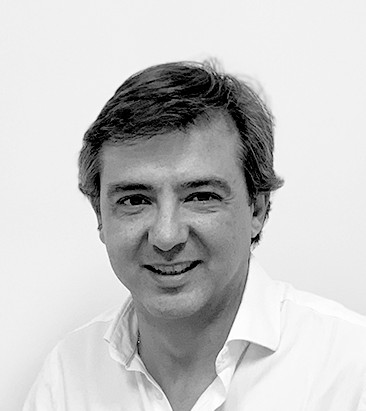
Juan Alberto Vecino Montalvo
CEO of HI Iberia Ingeniería y Proyectos S.L., a Spanish technology company specialising in artificial intelligence, which he has led since 2002. A Naval and Ocean Engineer from the ETSI Navales de Madrid (1994) with an Executive MBA in e-Business from Instituto de Empresa (2002), he began his career as a researcher at CEHIPAR and Seaplace, working in naval engineering and offshore structures. He specialises in AI applied to defence and security, digital twins, new materials discovery and civil-military technology transfer. He has led national and European projects such as SEDA, a platform developed with the Ministry of Defence for AI-based satellite image analysis, as well as digital twins for the naval sector and for fusion (IFMIF-DONES). He is a founding partner of Smart Materials, a company dedicated to the AI-driven design of sustainable batteries and advanced materials for energy, aerospace and defence. He is involved in sector associations including AESMIDE, AMETIC and INEUSTAR.
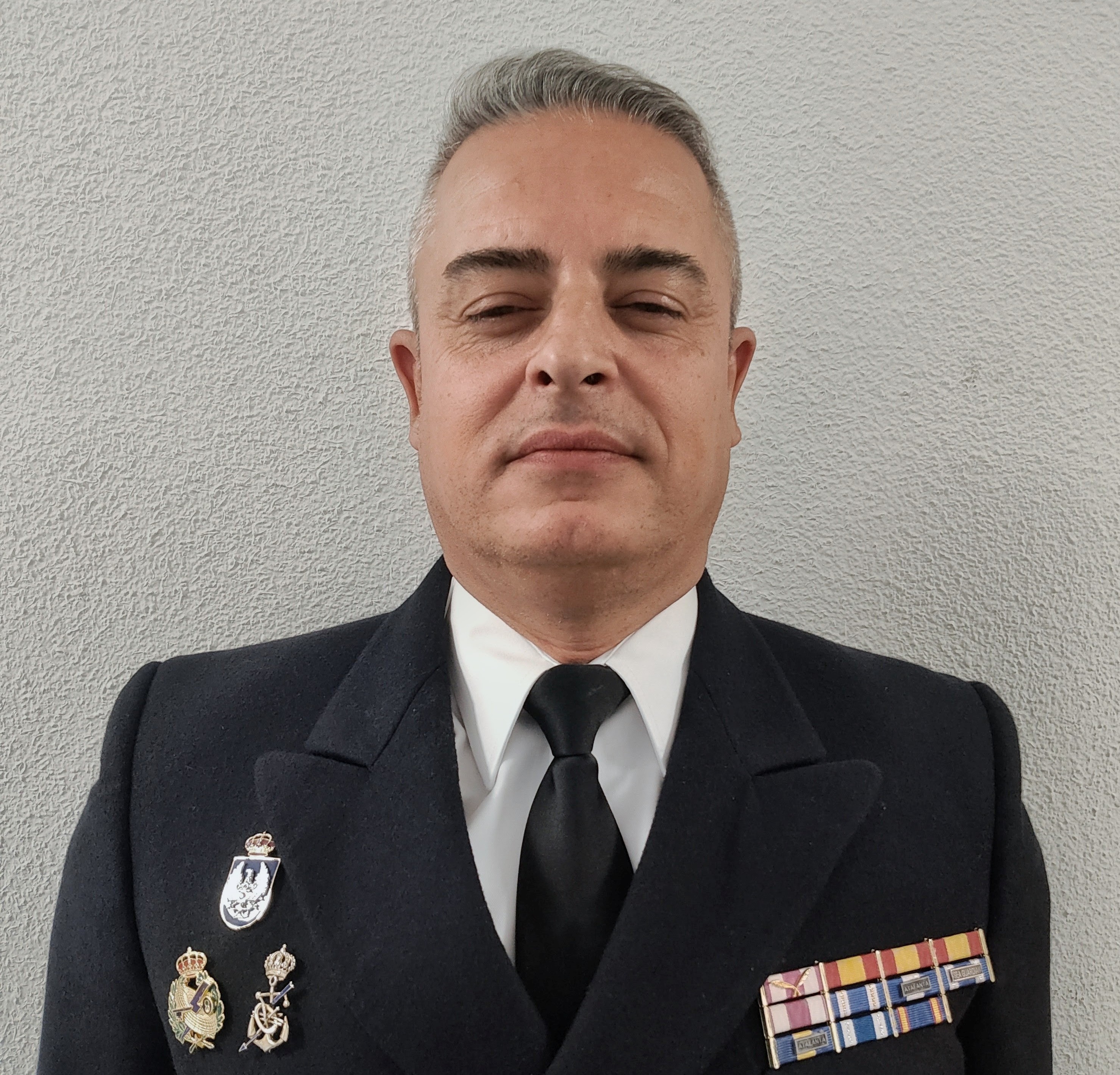
Capitán de Fragata Pablo Cartujo Olmo
Pablo Cartujo Olmo is a Commander in the Spanish Navy and an analyst in the Plans Division, Technology Plans Section, of the Joint Defence Staff. He holds a degree in Nautical Studies from the University of Oviedo, a Diploma in Advanced Studies from the University of A Coruña, and a Master's degree in ICT Management. He has operational and command experience aboard several Spanish Navy units, as well as in evaluation, communications and digital transformation. He specialises in information and communication technologies, cybersecurity, artificial intelligence and machine learning, data governance, ICT forensics and process modelling. He has taken part in national, European Union and NATO initiatives and operations, including ATALANTA, Active Endeavour and Sea Guardian. He is the author of articles on integrated bridges and naval communications published in Revista General de Marina and for the Alvargonzález Foundation.
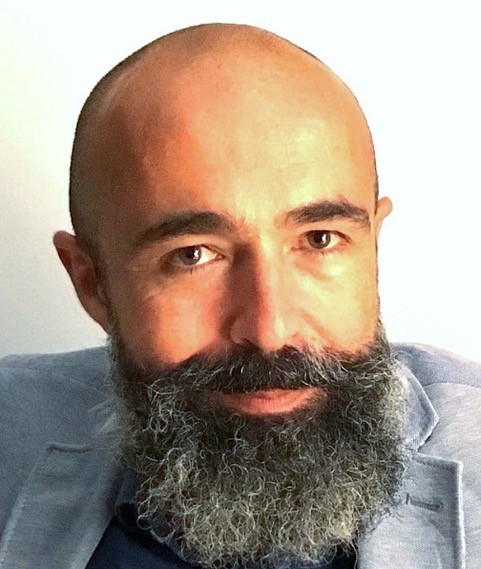
Ignacio de Córdoba
Software Engineer with more than twenty-five years of experience in distributed systems, enterprise architectures and network security. Specialising in Artificial Intelligence and Blockchain, he is recognised as a Technical Expert in both fields by Malta's MDIA authority. He is CEO of Red SKIOS S.A., where he has developed the SKIOS Artificial Intelligence Platform, a solution designed to provide decision-making superiority in dual-use, critical and defence environments. He led Combat Cloud developments for the European FCAS/NGWS programme, an environment for integrating critical data and systems for next-generation air defence, and has also led blockchain projects in corporate and institutional settings. He combines his business activity with teaching as a Professor of Computing and Artificial Intelligence at IE University and with the supervision of Artificial Intelligence projects at the University of Malta. He is also an instrument-rated pilot.
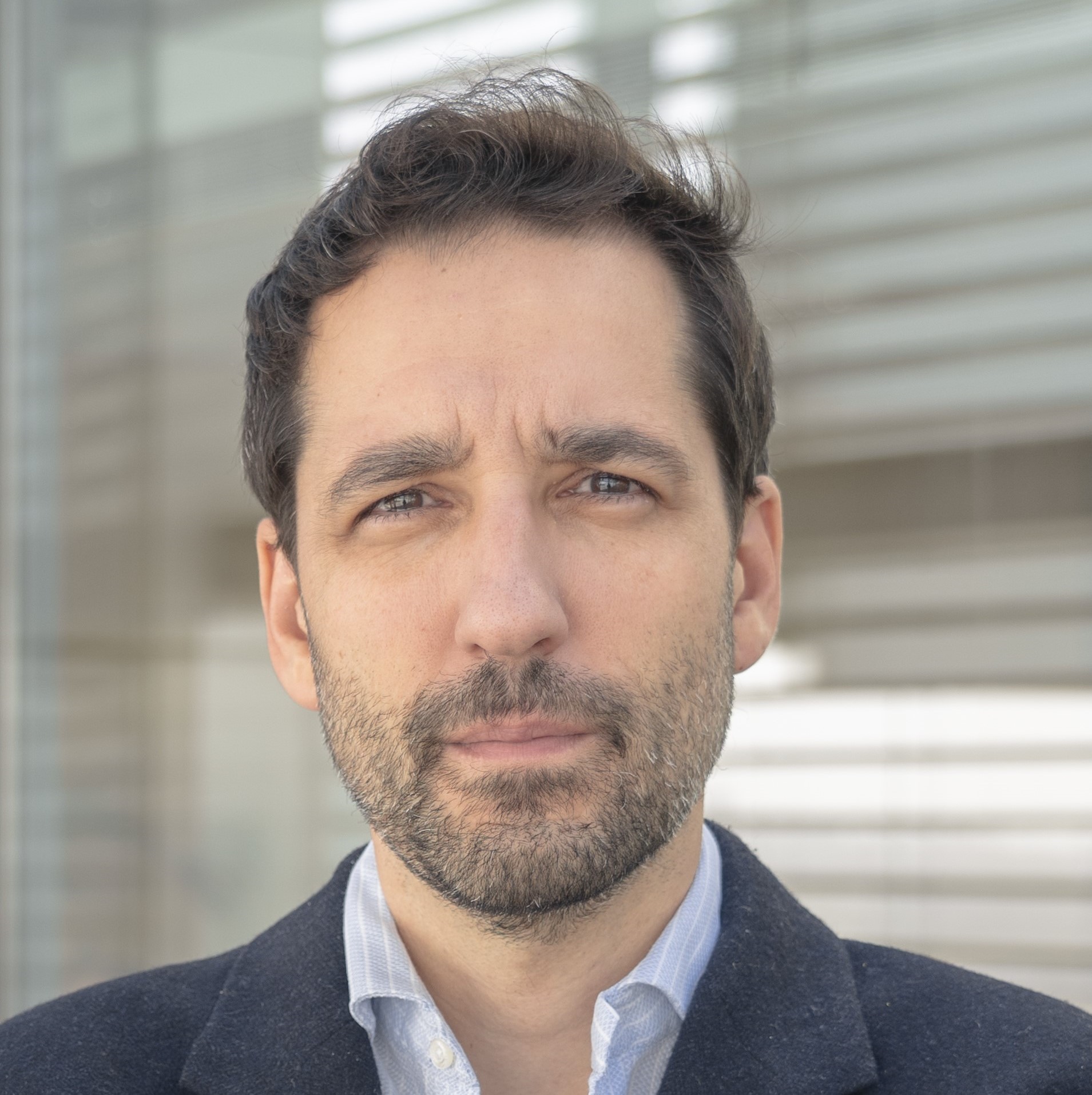
Rafael Cabrera Rodríguez
Head of AI/Data at Telefónica Tech, he has more than 20 years of experience in advanced technologies, digital transformation and technology business development. In recent years, his career has focused particularly on Artificial Intelligence, Generative AI, and data management and governance. At Telefónica Tech, he leads AI and Data projects for large organisations, Public Administrations, and Defence and Security Forces, combining strategy, technology and process transformation. He has participated in national initiatives related to the modernisation of Public Administration through AI and data, the application of AI to Defence, the agri-food value chain, Data Spaces, advanced platforms, and the development of sovereign supercomputing and AI capabilities. He is a Telecommunications Engineer from the Polytechnic University of Madrid, holds an Executive MBA from IE Business School, and a Master's degree in Machine Learning and Artificial Intelligence from MIOTI. He also teaches postgraduate programmes on AI, Data and digital transformation.
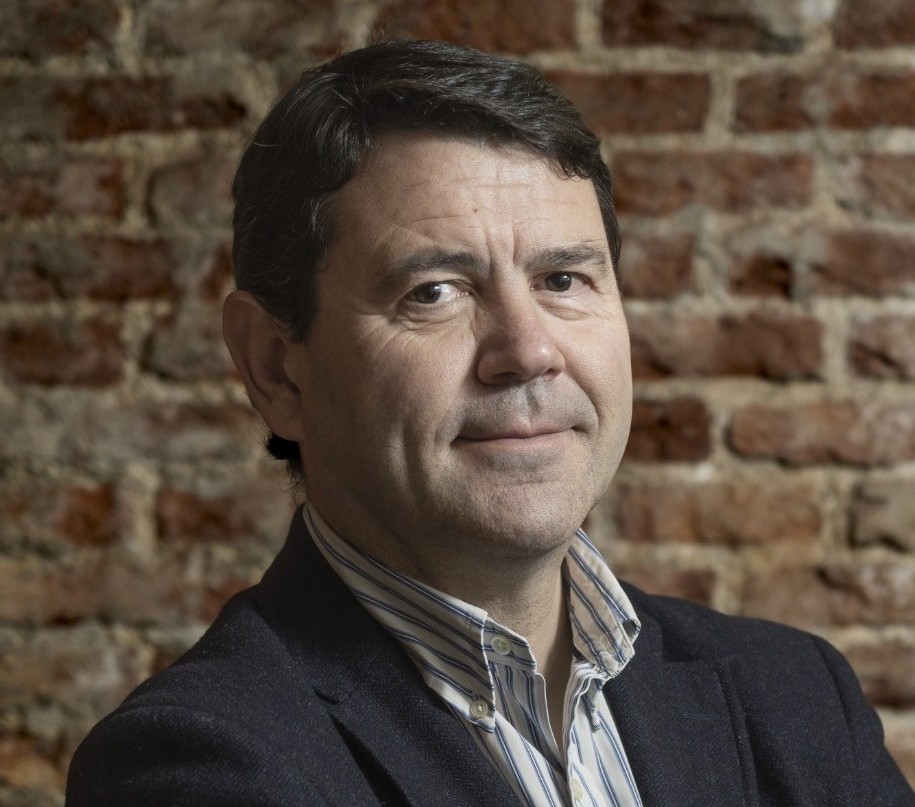
Ildefonso Vera Gómez
He currently serves as Executive Advisor for Defence and Public Security at NTT Data. A major part of his professional career was spent as Innovation and Digital Transformation Manager at Ingeniería de Sistemas para la Defensa de España (ISDEFE), where he worked for fifteen years. His main responsibilities focused on developing and implementing the company's Digital Transformation and Innovation plans, reporting to the Director of Corporate Development and Strategy. He was a member of ISDEFE's main strategic committees. He is a professional with extensive experience in digital transformation, innovation and change management in the public sector, focused on continuous improvement, efficiency and the creation of public value. He is an expert in the management of technology and organisational innovation projects, integrating people, processes and technology to drive the modernisation of Public Administration. He also specialises in the implementation of digitalisation strategies, administrative modernisation and data culture aligned with the principles of open government and smart administration.
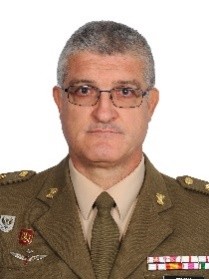
Cor. Javier Bermejo Higuera
Head of the ICT Department of INTA's Land Systems Subdirectorate. He holds a PhD in Weapons Engineering and degrees in Electronics Engineering, Weapons Engineering, Telecommunications Engineering and Physics, as well as a Master's degree in Communication and Information Systems for Security and Defence. He was responsible for implementing the Galileo Security Monitoring Centre (GSMC) at La Marañosa, served as Head of CESTIC's Cybersecurity Audit Unit, as ICT Security Officer and as Technical Director of the CIS Programmes of the Military Emergency Unit and of the Army's Tactical Electronic Warfare programme (GESTA). He has more than 25 publications in journals with a Journal Citation Reports (JCR) impact factor in the field of computer science.
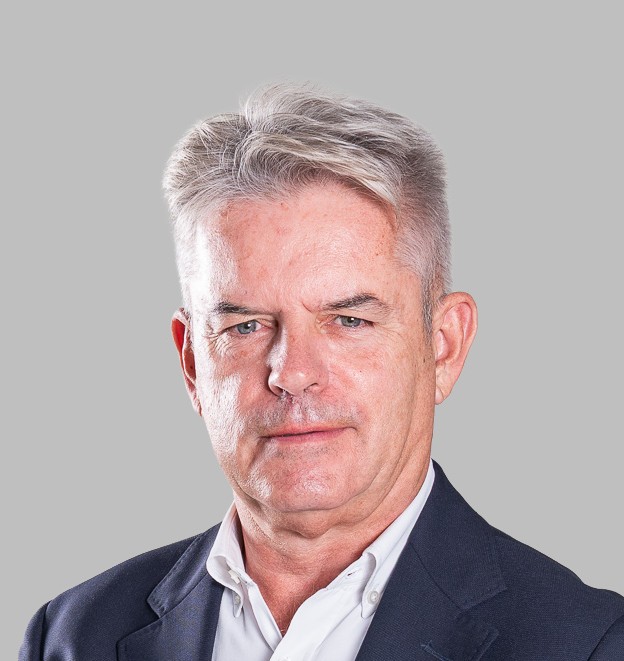
Dr. Manuel Esteve Domingo
PhD in Telecommunications Engineering and Computer Engineer. He has been a Full Professor of Telematics Engineering at the Polytechnic University of Valencia since 2001 and served as CISO of the UPV from 2022 to 2024. He has been Academic Director and lecturer on the UPV Master's degree in Cybersecurity and Cyberintelligence, as well as a lecturer at NCIA. He is Director of the UPV Distributed Real-Time Systems Research Group and, since 2022, CEO of CiberTRS, a UPV spin-off company. He is responsible for the CEMACOP and INFOCOP projects funded by the Spanish Army Cyber Command, and for the Cyber Common Operational Picture project in collaboration with the Joint Cyberspace Command, with the inclusion of AI modules playing a fundamental role in these projects. He has been responsible for more than 30 European projects funded by the European Commission and the EDA. He is the author of more than 200 publications, including books and articles, and has supervised PhD theses, final degree projects and Master's and Bachelor's theses. He has been awarded the Cross of Military Merit with White Distinction and is a Full Member of the Academy of Military Sciences and Arts.
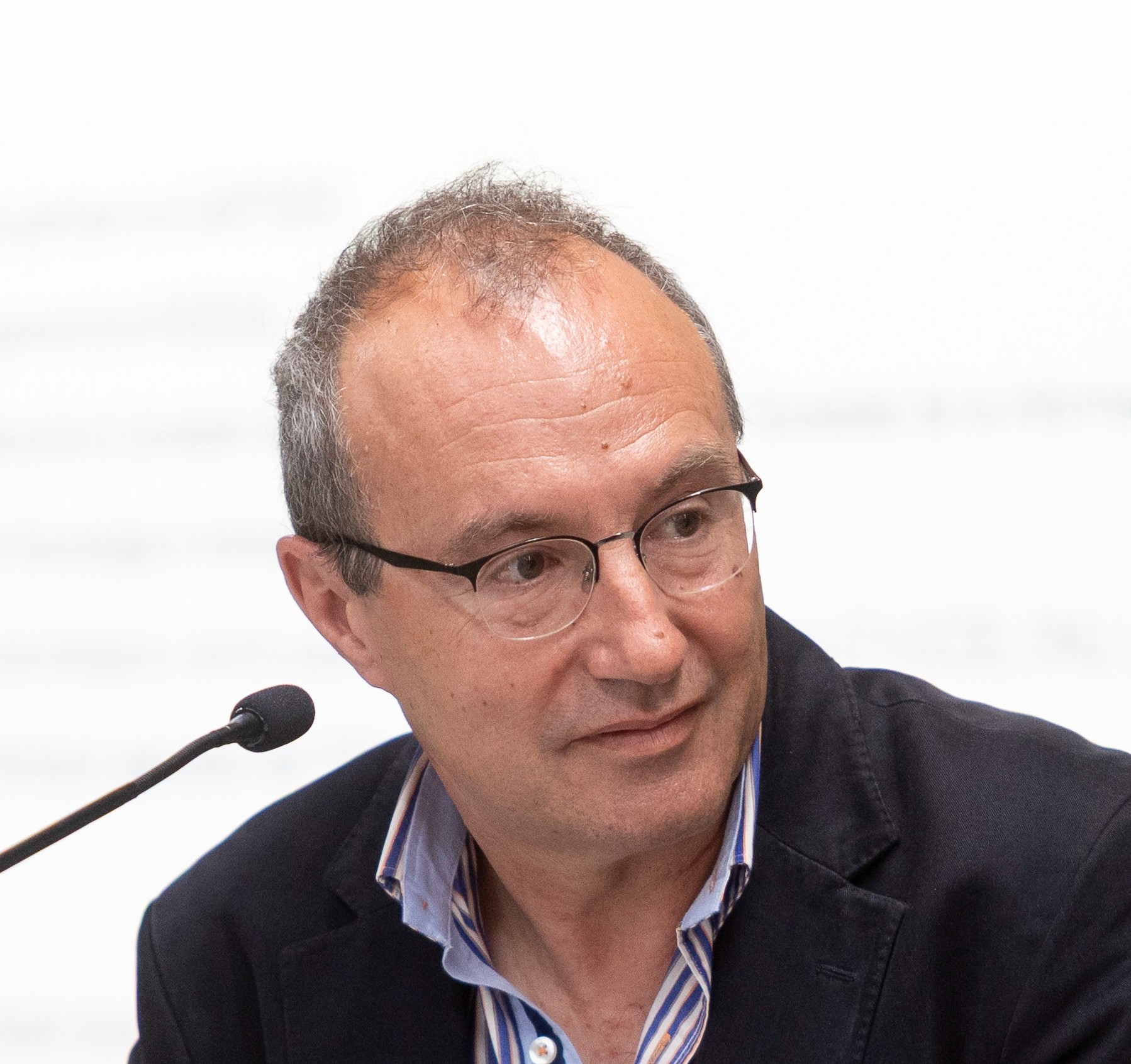
Dr. José Manuel Molina López
PhD in Telecommunications Engineering from the Polytechnic University of Madrid. He is a Full Professor in the area of Computer Science and Artificial Intelligence at Universidad Carlos III de Madrid. He is Director of the Applied Artificial Intelligence Group and Rector's Delegate for the Colmenarejo Campus, having previously served as Director of the postgraduate programme in Computer Science and Technology at Universidad Carlos III de Madrid, Director of the University's Computer Science Department, Vice-Rector for Students, Residences and Cultural Activities, Deputy to the Vice-Rector of the Colmenarejo Campus, and Deputy Director of the Computer Engineering degree programme. He leads various public and private research projects focused on applying Artificial Intelligence techniques to problems in engineering, social sciences and biological sciences. He is the author of more than 200 publications, including books and articles in international journals, and has participated in more than 250 presentations at international conferences. His areas of interest focus on Artificial Intelligence and its application to data analysis, data fusion, computer vision, IoT and the development of drone systems.
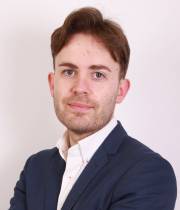
Dr. José Luis Hernández Ramos
Permanent Lecturer in Cybersecurity and Rector's Delegate for Technology Management at the University of Murcia, where he also received the Extraordinary Doctorate Award. From 2018 to 2023, he was a Scientific Officer at the European Commission (DG JRC), where he participated in major European cybersecurity initiatives, including the European Cybersecurity Taxonomy, the EU Cybersecurity Atlas, and the analysis of standards associated with the Cyber Resilience Act, developed in collaboration with ENISA. He has acted as an expert for the European Commission, NATO and national research agencies in several countries, and was selected as a standardisation expert by the European Cyberstand project. He has also collaborated with Office C of the Spanish Congress of Deputies and on technology foresight studies for the European Commission. A recipient of several fellowships, including a Marie Skłodowska-Curie Postdoctoral Fellowship and a Leonardo Grant, he has more than 70 scientific publications in the field of cybersecurity.

Jimena Sofía Viveros Alvarez LL.M.
Senior international lawyer specialising in artificial intelligence (AI), digital governance, technology diplomacy, cybersecurity and international security. She has participated as a member and expert in initiatives of the UN Secretary-General, UNESCO, OECD, the Vatican, the International Law Association, the Cyber Peace Institute and the World Internet Conference. Her career includes advisory work on AI ethics and regulation, responsible use in risk assessment, autonomous weapons and sustainable development.
Javier Calvo Martín — view bio →Ricardo Míguez Del Olmo — view bio →Dr. José Antonio Portilla Figueras — view bio →Major General Fernando Luis Morón Ruiz (Moderator) — view bio →General de Brigada Luis Andrés Bárcenas Medina — view bio →Capitán de Fragata Pablo Cartujo Olmo — view bio →Ignacio de Córdoba — view bio →Juan Alberto Vecino Montalvo — view bio →Rafael Cabrera Rodríguez — view bio →Santiago de Andrés Herrero — view bio →Alberto González Dueñas (Moderator) — view bio →Juan Francisco Gago Fernández — view bio →Yago Cid — view bio →Dr. Fernando Aller Sánchez — view bio →Dra. Tanya Suárez — view bio →Dr. Jesús Cerquides Bueno (Moderator) — view bio →Arturo Malagón Ferreiro — view bio →Dr. Joaquín Torres Márquez — view bio →Dr. Ismael Caballero Muñoz-Reja — view bio →Jaime Calderón Moreno — view bio →Capitán de Navío Salvador Espinosa González-Llanos (Moderator) — view bio →Cor. Javier Bermejo Higuera — view bio →Dr. José Manuel Molina López — view bio →Dr. Manuel Esteve Domingo — view bio →Dr. José Luis Hernández Ramos — view bio →Ildefonso Vera Gómez (Moderator) — view bio →Dra. Amaya Gil-Albarova — view bio →Dr. Francisco Javier Fabra Caro — view bio →Dr. José V. Hernández Conde — view bio →Dr. Jorge Villagra — view bio →Teniente Coronel Félix García Riquelme (Moderator) — view bio →Cor. Ángel Gómez de Ágreda — view bio →Jesús María Alonso García — view bio →Ignacio Talegón Campoamor — view bio →General de Brigada Pedro M. Sebastián de Erice Llano — view bio →General de Brigada Luis Andrés Bárcenas Medina (Moderator) — view bio →Juan Ignacio del Valle — view bio →Ignacio Montiel — view bio →Capitán de Fragata Ramón Touza Gil — view bio →Jorge Reverte Sevillano (Moderator) — view bio →Capitán de Fragata Álvaro Herraiz Solla — view bio →Dr. Javier Bajo Pérez — view bio →Dr. Víctor Mayoral Vilches — view bio →Luis Hernández (Moderator) — view bio →Aleida Alcaide — view bio →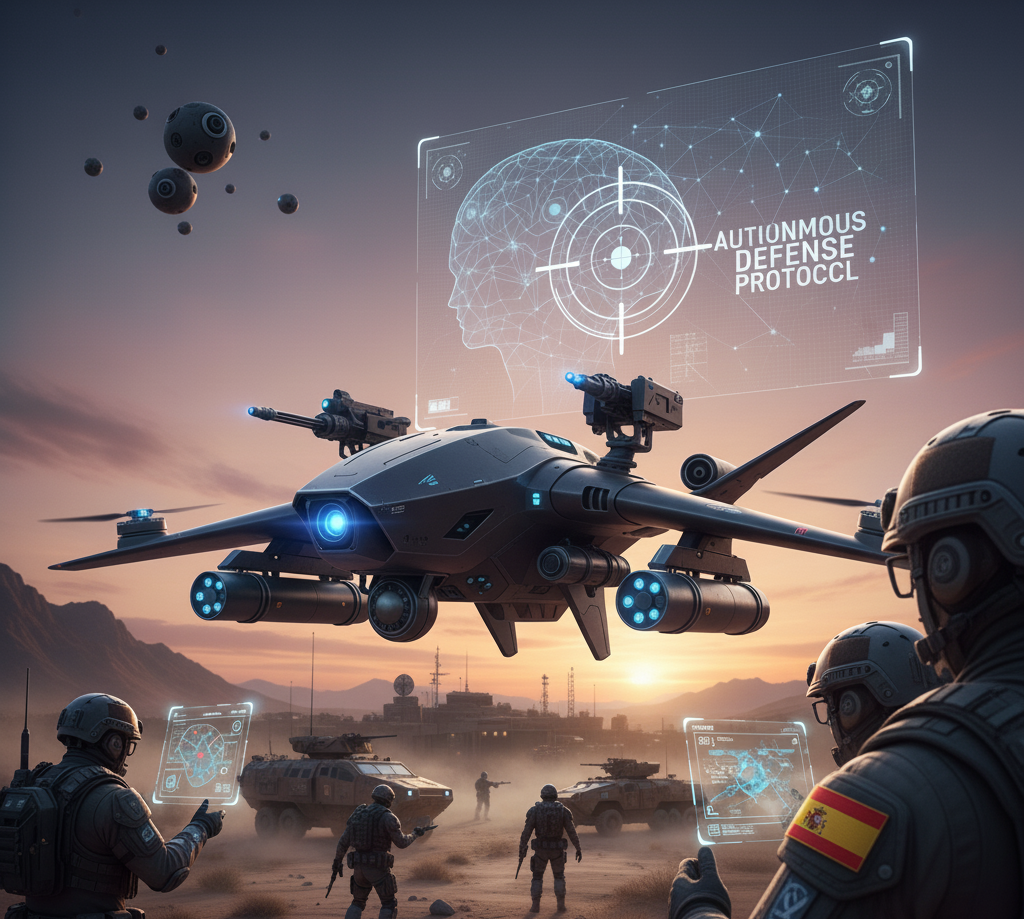
AI Use Case Exhibitions
Real applications of artificial intelligence in defense and security will be presented. Attendees will have the opportunity to discover projects developed by institutions and companies in the sector, focused on areas such as process automation, predictive analysis, assisted decision-making, cyber defense, and operational simulation. These exhibitions will demonstrate how AI helps enhance efficiency, accuracy, and responsiveness in strategic and highly demanding technological environments.
The use case registration will close on 4 September at 15.00
ORGANIZERS


COLLABORATOS